 UTAH EDUCATION NETWORK

 More K12 Education
 my.uen Login
 Forgot my.uen Login
 Curriculum Search
 Find a School
 Canvas Logins
 Find an Institution
 Teacher Tips
 PD Newsletter
 PDTV
PDTV UEN Homeroom
 Adobe
Adobe Canvas
 eMedia
 Google
 Nearpod
 Utah's Online School Library
 Justin
 Braxton
 Dani
Dani Kayla
Kayla Katie
Katie Matthew
 Rob
Rob Val
Val UEN Print Schedule
 Monthly Highlights
 Give Us Feedback
 WebEx
WebEx Zoom
Zoom CMS Web App
 TMS
TMS YouTube
 Network Outages
 Network Traffic Map
 Speed Test
 Infrastructure Map
 Facebook
 Instagram
 LinkedIn
 News RSS
 Contact Us Form
 Dashboards
 Maps
Maps Widgets


News

Students, K-6th grade grab your notepad, pencil, art supplies and let the creativity flow! The theme this year is “Our Water, Our Future.”
Access high-quality, peer-reviewed teaching resources aligned to the Utah Fine Arts standards.


Watch
UEN-TV

Britain's Scenic Railways
A magical winter wonderland journey along Britain's most scenic railways, from the Severn Valley Railway's dazzling Steam in Lights illuminations to...

NASA TV

NASA Explorers
NASA Explorers is a new digital series that takes you inside the space agency and follows the pioneers, risk takers, and experts at the front line of...

FNX
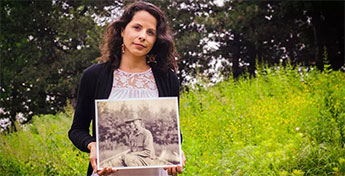
Ohiyesa: The Soul of An Indian
This documentary follows Kate Beane, a young Dakota woman, as she examines the extraordinary life of her celebrated relative, Charles Eastman...