

 UTAH EDUCATION NETWORK

 More K12 Education
 my.uen Login
 Forgot my.uen Login
 Curriculum Search
 Find a School
 Canvas Logins
 Find an Institution
 Teacher Tips
 PD Newsletter
 PDTV
PDTV UEN Homeroom
 Adobe
Adobe Canvas
 eMedia
 Google
 Nearpod
 Utah's Online School Library
 Justin
 Braxton
 Dani
Dani Kayla
Kayla Katie
Katie Matthew
 Rob
Rob Val
Val UEN Print Schedule
 Monthly Highlights
 Give Us Feedback
 WebEx
WebEx Zoom
Zoom CMS Web App
 TMS
TMS YouTube
 Network Outages
 Network Traffic Map
 Speed Test
 Infrastructure Map
 Facebook
 Instagram
 LinkedIn
 News RSS
 Contact Us Form
 Dashboards
 Maps
Maps Widgets


News
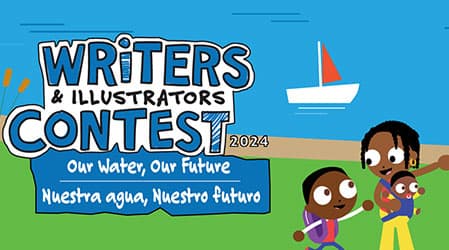
Students, K-6th grade grab your notepad, pencil, art supplies and let the creativity flow! The theme this year is “Our Water, Our Future.”
Access high-quality, peer-reviewed teaching resources aligned to the Utah Fine Arts standards.


Watch
UEN-TV
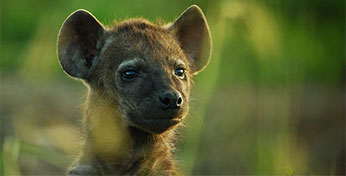
Life: First Steps
Brothers and Sisters -
From meerkats in the Kalahari to brown bear cubs in the forests of Minnesota, biologist Patrick Aryee discovers why some of the most successful...

NASA TV

NASAX - Giant Leap for Air Transportation
On this episode of NASA X we will examine this award winning UTM technology and see how it works and better comprehend this innovative system. We...

FNX

Tribal Police Files
A typical week in Rama involves an escaped llama, a badmouthing drug dealer and an old man locked out of his own house

NHK World-Japan

Newsline Biz
Reporting the latest business, finance and economic news, with added analysis from studio guests.
