

 UTAH EDUCATION NETWORK

 More K12 Education
 my.uen Login
 Forgot my.uen Login
 Curriculum Search
 Find a School
 Canvas Logins
 Find an Institution
 Teacher Tips
 PD Newsletter
 PDTV
PDTV UEN Homeroom
 Adobe
Adobe Canvas
 eMedia
 Google
 Nearpod
 Utah's Online School Library
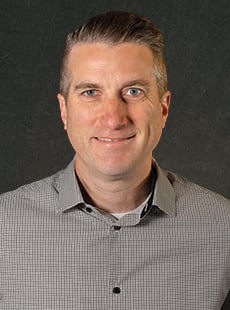 Justin
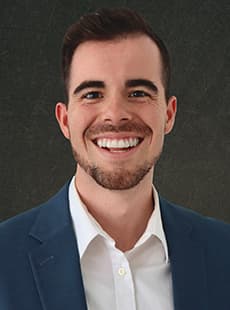 Braxton
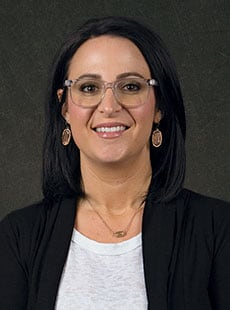 Dani
Dani Kayla
Kayla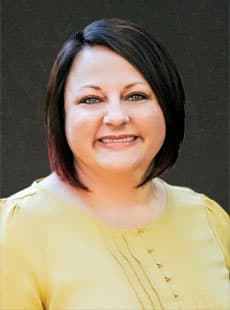 Katie
Katie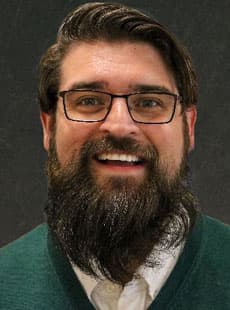 Matthew
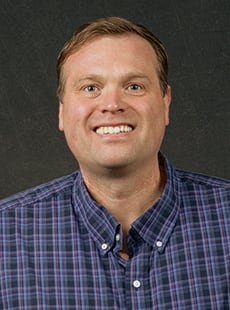 Rob
Rob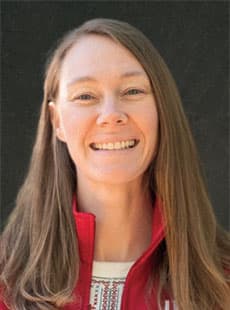 Val
Val UEN Print Schedule
 Locally Produced
 Give Us Feedback
 WebEx
WebEx Zoom
Zoom CMS Web App
 TMS
TMS YouTube
 Network Outages
 Network Traffic Map
 Speed Test
 Infrastructure Map
 Facebook
 Instagram
 LinkedIn
 News RSS
 Contact Us Form
 Dashboards
 Maps
Maps Widgets


News
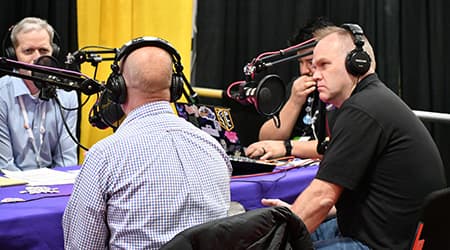
Check out the latest episode of Davis School District's Teaching & Learning "Bite-Sized PL" Podcast! It was recorded on our very own UEN Homeroom podcast studio at #UCET24!
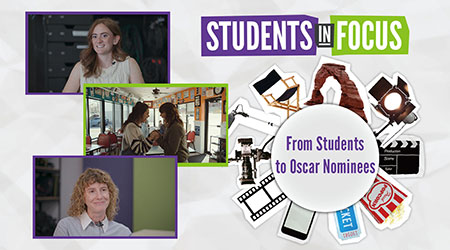
This Student In Focus episode spotlights the world of filmmaking through two exceptional women, Madi Pickett, a junior at UVU studying Film Production and Jerusha Hess, the writer/director of the cult classic Napoleon Dynamite.
Watch
UEN-TV
Life: First Steps
Outnumbered -
Success in the natural world is a gamble. Turtle hatchings making their epic dash to the sea, and newly-hatched praying mantises quickly protect...

NASA TV

NASA Explorers
NASA Explorers is a new digital series that takes you inside the space agency and follows the pioneers, risk takers, and experts at the front line of...

FNX

Underexposed
Gracey is commissioned by BC Snowboard to cover Ryan Johnston at the "Like Me Snowboard Series" snowboard cross event. Ryan is both a high...

NHK World-Japan

Lunch On!
More than just a meal! Enjoy lunch around Japan, learning about peoples' lives and work-places and the stories behind workers' daily meals.
