

 UTAH EDUCATION NETWORK

 More K12 Education
 my.uen Login
 Forgot my.uen Login
 Curriculum Search
 Find a School
 Canvas Logins
 Find an Institution
 Teacher Tips
 PD Newsletter
 PDTV
PDTV UEN Homeroom
 Adobe
Adobe Canvas
 eMedia
 Google
 Nearpod
 Utah's Online School Library
 Justin
 Braxton
 Dani
Dani Kayla
Kayla Katie
Katie Matthew
 Rob
Rob Val
Val UEN Print Schedule
 Monthly Highlights
 Give Us Feedback
 WebEx
WebEx Zoom
Zoom CMS Web App
 TMS
TMS YouTube
 Network Outages
 Network Traffic Map
 Speed Test
 Infrastructure Map
 Facebook
 Instagram
 LinkedIn
 News RSS
 Contact Us Form
 Dashboards
 Maps
Maps Widgets


News
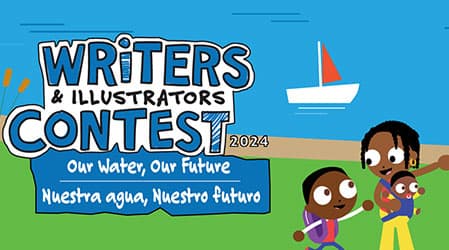
Students, K-6th grade grab your notepad, pencil, art supplies and let the creativity flow! The theme this year is “Our Water, Our Future.”
Access high-quality, peer-reviewed teaching resources aligned to the Utah Fine Arts standards.


Watch
UEN-TV
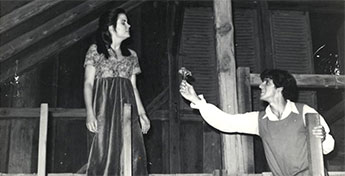
Take Pains. Be Perfect.
In an historic Texas barn, in the heat of midsummer, a visionary English professor has been teaching Shakespeare through performance for half a...

NASA TV

KORUS AQ
This series shows how the findings from this mission will help develop observing systems using models and data to improve air quality assessments for...

FNX

The Aux
A rotating compilation of music videos featuring diverse talents of Native American & World Indigenous cultures. Different genres such as hip hop,...

NHK World-Japan
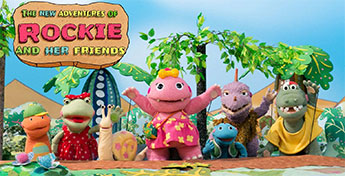
The New Adventures of Rockie and Her Friends (Nhk)
Puppet action show for children. In a distant post-human future where surviving creatures have formed a community, new-breed dinosaur girl Rockie...
