

 UTAH EDUCATION NETWORK

 More K12 Education
 my.uen Login
 Forgot my.uen Login
 Curriculum Search
 Find a School
 Canvas Logins
 Find an Institution
 Teacher Tips
 PD Newsletter
 PDTV
PDTV UEN Homeroom
 Adobe
Adobe Canvas
 eMedia
 Google
 Nearpod
 Utah's Online School Library
 Justin
 Braxton
 Dani
Dani Kayla
Kayla Katie
Katie Matthew
 Rob
Rob Val
Val UEN Print Schedule
 Monthly Highlights
 Give Us Feedback
 WebEx
WebEx Zoom
Zoom CMS Web App
 TMS
TMS YouTube
 Network Outages
 Network Traffic Map
 Speed Test
 Infrastructure Map
 Facebook
 Instagram
 LinkedIn
 News RSS
 Contact Us Form
 Dashboards
 Maps
Maps Widgets


News
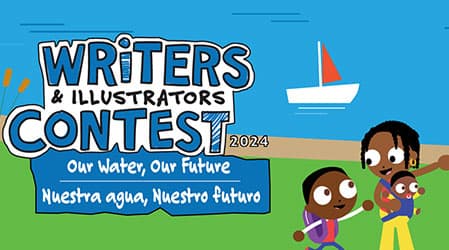
Students, K-6th grade grab your notepad, pencil, art supplies and let the creativity flow! The theme this year is “Our Water, Our Future.”
Access high-quality, peer-reviewed teaching resources aligned to the Utah Fine Arts standards.


Watch
UEN-TV

BusinessMakers
Business success goes hand in hand with the American Dream. For African Americans. Through a series of vignettes, BusinessMakers showcases the...

NASA TV

Mavericks of Mars: The Ingenuity Helicopter Team's Favorite Flights
Join us for a talk to learn how Ingenuity's team used resourcefulness and creativity to transform the rotorcraft from a successful tech demo into a...

FNX

Underexposed
Gracey is commissioned by world-renowned, bike trails rider, Ryan Leech to help promote his new "How To" instructional videos in her own backyard -...

NHK World-Japan
Pythagora Switch Mini
There are hidden rules and unique ways of thinking, we can discover in our daily lives. With anime, songs, exercises, and Pythagora tools, get ready...
