

 UTAH EDUCATION NETWORK

 More K12 Education
 my.uen Login
 Forgot my.uen Login
 Curriculum Search
 Find a School
 Canvas Logins
 Find an Institution
 Teacher Tips
 PD Newsletter
 PDTV
PDTV UEN Homeroom
 Adobe
Adobe Canvas
 eMedia
 Google
 Nearpod
 Utah's Online School Library
 Justin
 Braxton
 Dani
Dani Kayla
Kayla Katie
Katie Matthew
 Rob
Rob Val
Val UEN Print Schedule
 Locally Produced
 Give Us Feedback
 WebEx
WebEx Zoom
Zoom CMS Web App
 TMS
TMS YouTube
 Network Outages
 Network Traffic Map
 Speed Test
 Infrastructure Map
 Facebook
 Instagram
 LinkedIn
 News RSS
 Contact Us Form
 Dashboards
 Maps
Maps Widgets


News
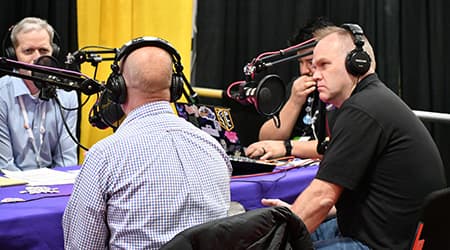
Check out the latest episode of Davis School District's Teaching & Learning "Bite-Sized PL" Podcast! It was recorded on our very own UEN Homeroom podcast studio at #UCET24!
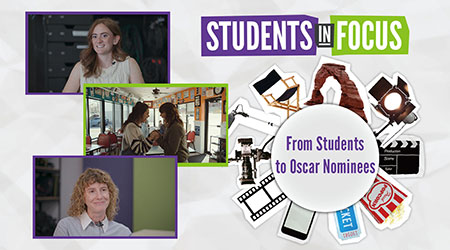
This Student In Focus episode spotlights the world of filmmaking through two exceptional women, Madi Pickett, a junior at UVU studying Film Production and Jerusha Hess, the writer/director of the cult classic Napoleon Dynamite.

Watch
UEN-TV
Real Life with Susan Harf
It's Your Fault I'm Upset -
Real Life Coach Susan Harf gives tips and advice on "It's Your Fault I'm Upset"

NASA TV

Moon 101 Series - Episode 4: The Crust of the Moon
The Moon 101 is a series that interviews Apollo era rocket scientists and engineers telling their stories about how they did it and lessons learned....

FNX
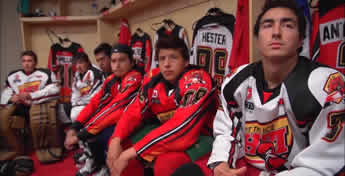
Hit The Ice
After starting the day with a weak practice, the boys show some much-needed focus, a quality that comes in handy during an end-of-day competition...

NHK World-Japan

Origami Magic
Do you know "origami"? It's magic made from a sheet of paper. It is a traditional Japanese culture which can be enjoyed anytime, anywhere, with...
