

 UTAH EDUCATION NETWORK

 More K12 Education
 my.uen Login
 Forgot my.uen Login
 Curriculum Search
 Find a School
 Canvas Logins
 Find an Institution
 Teacher Tips
 PD Newsletter
 PDTV
PDTV UEN Homeroom
 Adobe
Adobe Canvas
 eMedia
 Google
 Nearpod
 Utah's Online School Library
 Justin
 Braxton
 Dani
Dani Kayla
Kayla Katie
Katie Matthew
 Rob
Rob Val
Val UEN Print Schedule
 Monthly Highlights
 Give Us Feedback
 WebEx
WebEx Zoom
Zoom CMS Web App
 TMS
TMS YouTube
 Network Outages
 Network Traffic Map
 Speed Test
 Infrastructure Map
 Facebook
 Instagram
 LinkedIn
 News RSS
 Contact Us Form
 Dashboards
 Maps
Maps Widgets


News
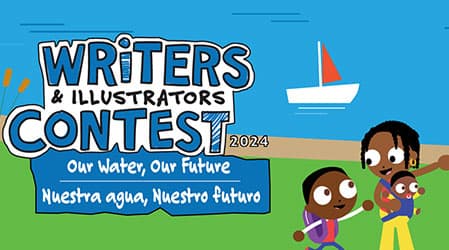
Students, K-6th grade grab your notepad, pencil, art supplies and let the creativity flow! The theme this year is “Our Water, Our Future.”
Access high-quality, peer-reviewed teaching resources aligned to the Utah Fine Arts standards.


Watch
UEN-TV

Great American Tapestry: The Many Strands of Mountain Music
A GREAT AMERICAN TAPESTRY tells the story of the southern mountain's musical birth and evolution through the strands of the Scots-Irish legacy,...

NASA TV

KORUS AQ
This series shows how the findings from this mission will help develop observing systems using models and data to improve air quality assessments for...

FNX

Hard Rock Medical
Charlie and Gary rescue a lumberjack with severed fingers. Gina and Cameron come face to face with an elderly, over-prescribing doctor, and Farida...

NHK World-Japan

From Japan's Seas to Global Tables
Via FOODEX JAPAN, one of Asia's largest food and beverage exhibitions, we closely follow fishery producers taking on the challenge of expanding...
