

 UTAH EDUCATION NETWORK

 More K12 Education
 my.uen Login
 Forgot my.uen Login
 Find a School
 Canvas Logins
 Find an Institution
 Teacher Tips
 PD Newsletter
 PDTV
PDTV UEN Homeroom
 Adobe
Adobe Canvas
 eMedia
 Google
 Nearpod
 Utah's Online School Library
 Justin
 Dani
Dani Rob
Rob Val
Val Kayla
Kayla WebEx
WebEx Zoom
Zoom CMS Web App
 TMS
TMS YouTube
 Network Outages
 Network Traffic Map
 Speed Test
 Infrastructure Map
 Facebook
 Instagram
 LinkedIn
 News RSS
 Contact Us Form
 Dashboards
 Maps
Maps Widgets
Garfield County

County Website: Garfield County
Area: 5,208 square miles
Population: 5,314 (in 2023)
Founding Year: Founded March 9, 1882
County Seat: Panguitch
Origin of County Name: after President James A. Garfield
Cities/Towns: Antimony,
Boulder,
Bryce Canyon,
Cannonville,
Escalante,
Hatch,
Henrieville,
Panguitch,
Tropic
Economy: cattle, lumber, tourism
Points of Interest: Bryce Canyon National Park,
Lake Powell,
Anasazi State Park,
Panguitch Lake,
Escalante DUP Building,
Escalante Petrified Forest State Park,
Boulder Mountain,
Burr Trail
Geography: Bounded by Colorado River (east), Dirty Devil River (east), San Rafael Desert (west); Bryce Canyon National Park (southwest), Grand Staircase–Escalante National Monument (middle), Capitol Reef National Park (east-central), Canyonlands National Park (northeast)
Historical Significance: Home to Ancestral Pueblo and Fremont cultures; early settlers from Beaver and Parowan in March 1864; territorial legislature created the county in 1882
Notable Residents: Isaac Riddle: Early Latter-day Saint settler, Eddie Kimball: Prominent BYU coach and athletic director, Whittni Morgan, Miss Utah in 2010
Natural Resources: Streams from high plateaus; farming, ranching, and recreation important to economy
Garfield County was named in 1882 after the assassinated U.S. President James A. Garfield, though the region’s history reaches back much further. Evidence of the prehistoric Anasazi culture can be found at the Anasazi State Museum near the city of Boulder. The county is rich in natural resources—such as vast rangelands and forests—which have supported major industries since pioneer times.
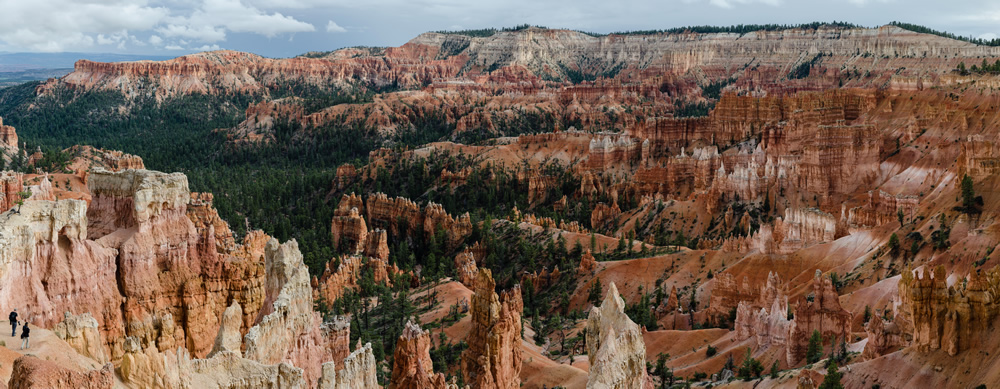
Today, one of Garfield County’s dominant industries is tourism. Although there is an active oilfield currently producing, most of the county’s energy resources—including coal, tar sands, and uranium—have not been developed. The county offers plenty to see, with two national parks: Bryce Canyon and Capitol Reef, among other attractions. Before you leave, be sure to see the hoodoos—Bryce Canyon’s world-famous rock formations.
More information for Garfield County can be found at the following sites:
- UOPL – Garfield County Profile
- Bryce Canyon National Park
- Garfield County Tourism Office
- Ghost Towns of Utah – Garfield County
- Go-Utah.com – Bryce Canyon National Park
- Go-Utah.com – Panguitch
- Utah Counties Profile – Garfield County
- Utah History Encyclopedia – Bryce Canyon National Park
- Utah History Encyclopedia – Garfield County
- Utah History Encyclopedia – Panguitch
- Utah History For Kids – Garfield County
- U.S. Census QuickFacts – Garfield County
- Visit Utah – Bryce Canyon National Park
- Visit Utah – Boulder
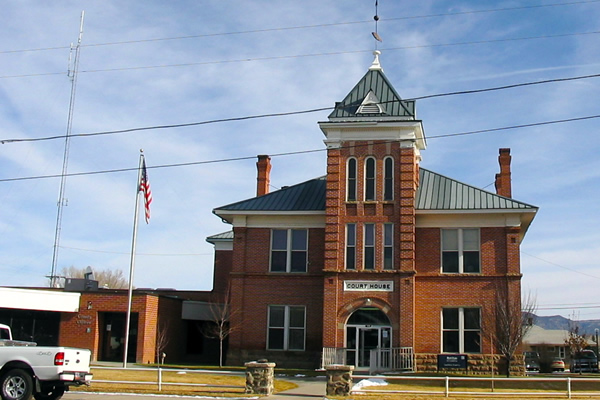
Image from Wikimedia Commons
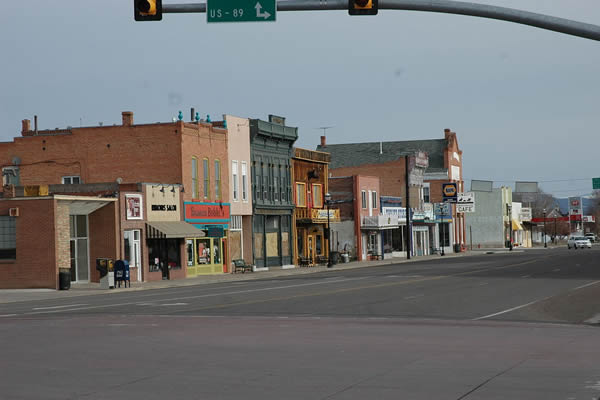
Image from Wikimedia Commons
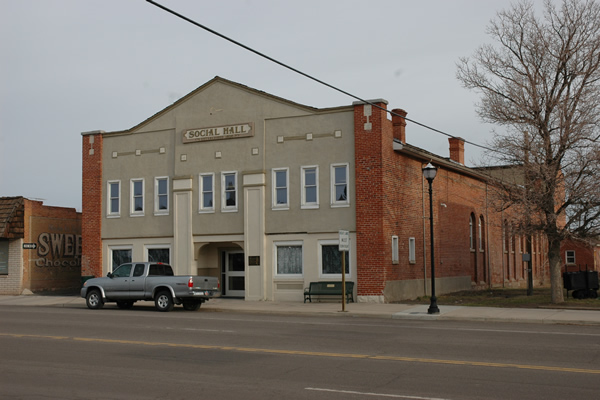
Image from Wikimedia Commons
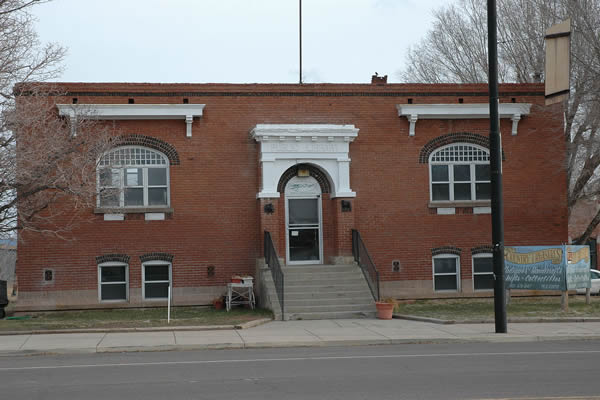
Image from Wikimedia Commons

Image from Wikimedia Commons
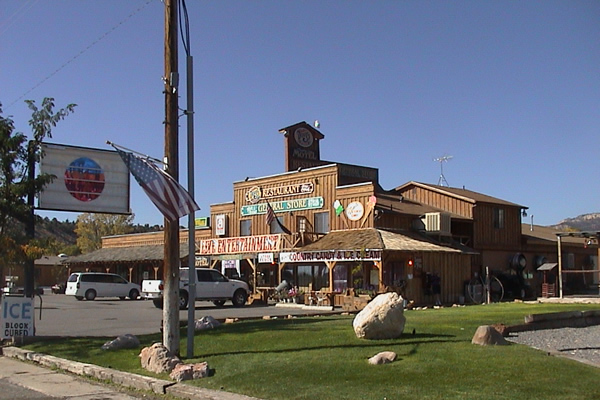
Image from Wikimedia Commons
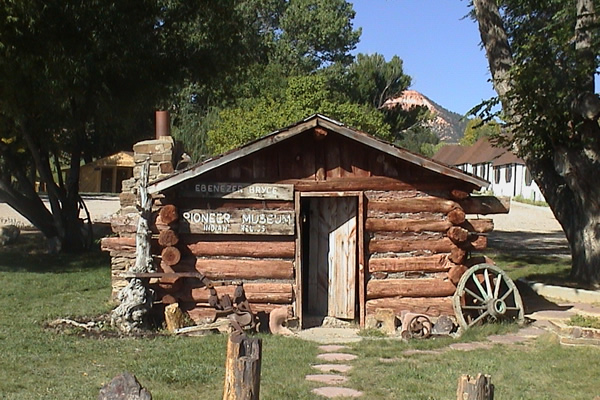
Image from Wikimedia Commons
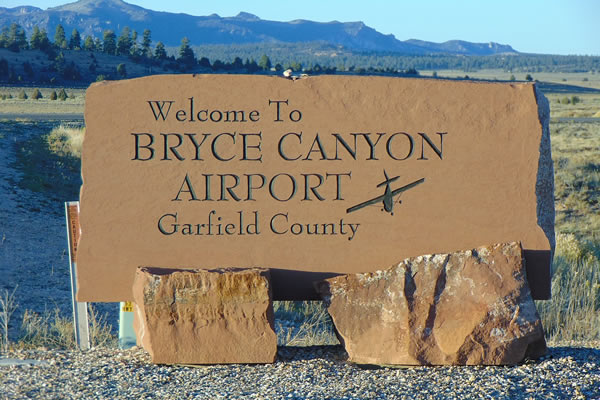
Image from Wikimedia Commons

Image from Wikimedia Commons
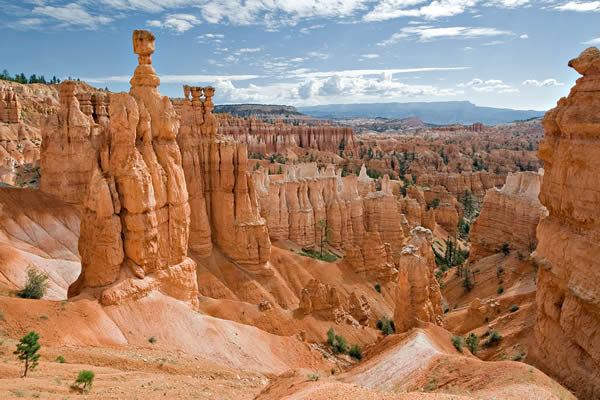
Image from Wikimedia Commons
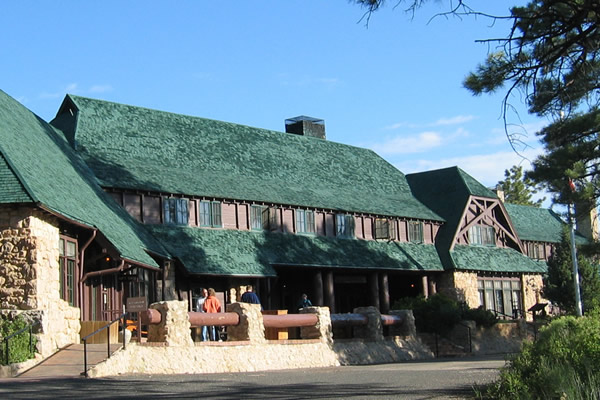
Image from Wikimedia Commons

Image from Wikimedia Commons
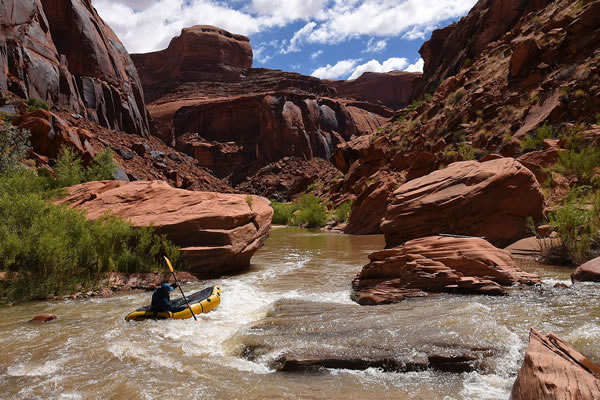
Image from Wikimedia Commons
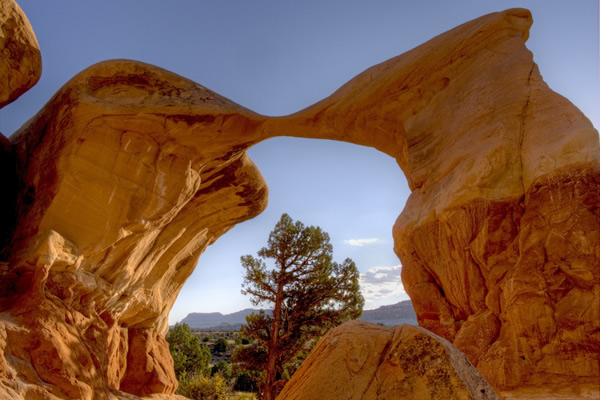
Image from Wikimedia Commons

Image from Wikimedia Commons
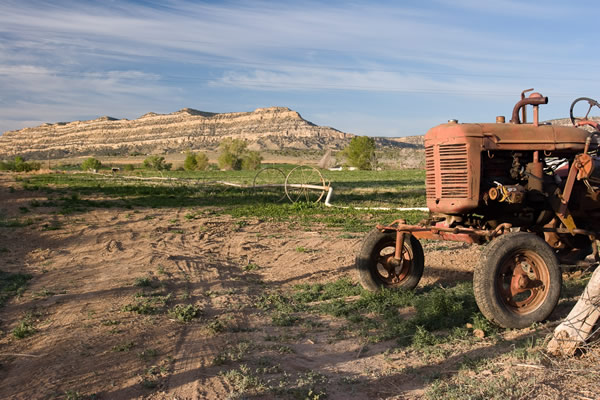
Image from Wikimedia Commons

Image from Wikimedia Commons
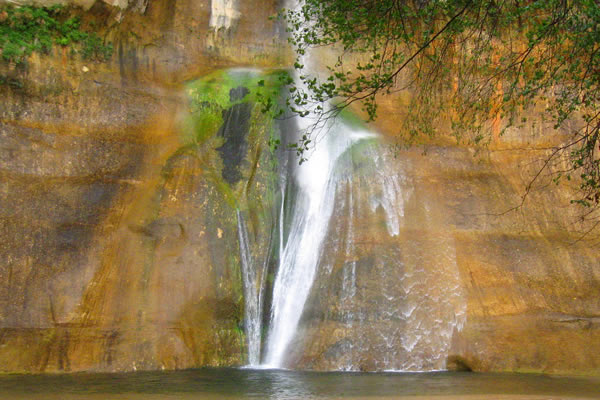
Image from Wikimedia Commons
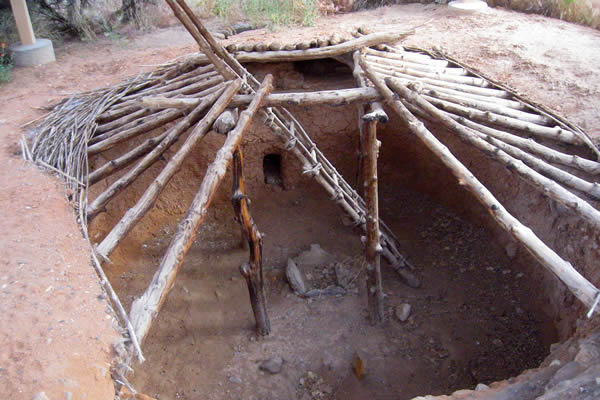
Image from Wikimedia Commons
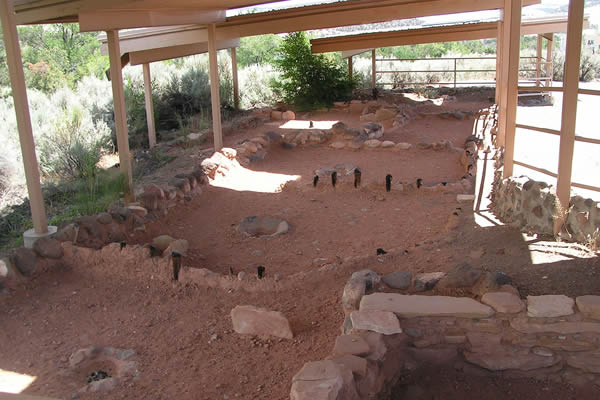
Image from Wikimedia Commons