

 UTAH EDUCATION NETWORK

 More K12 Education
 my.uen Login
 Forgot my.uen Login
 Find a School
 Canvas Logins
 Find an Institution
 Teacher Tips
 PD Newsletter
 PDTV
PDTV UEN Homeroom
 Adobe
Adobe Canvas
 eMedia
 Google
 Nearpod
 Utah's Online School Library
 Justin
 Dani
Dani Rob
Rob Val
Val Kayla
Kayla WebEx
WebEx Zoom
Zoom CMS Web App
 TMS
TMS YouTube
 Network Outages
 Network Traffic Map
 Speed Test
 Infrastructure Map
 Facebook
 Instagram
 LinkedIn
 News RSS
 Contact Us Form
 Dashboards
 Maps
Maps Widgets
Juab County

County Website: Juab County
Area: 3,406 square miles
Population: 13,023 (2023)
Founding Year: 1852
County Seat: Nephi
Origin of County Name: from the Ute word meaning flat or level plain
Cities/Towns: Eureka, Levan, Mona, Nephi, Rocky Ridge
Economy: agriculture, manufacturing, mining, recreation
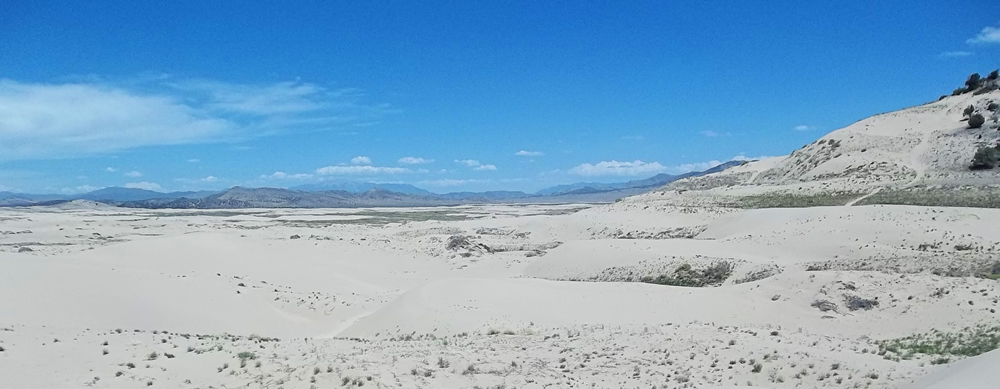
Points of Interest: Historic Tintic Mining District, Little Sahara Recreation Area, Old Pony Express and Stage Route, Yuba State Park, Goshute Indian Reservation, Tintic Mining Museum in Eureka, Mount Nebo Wilderness Area, Fish Springs National Wildlife Refuge
Geography: Western Utah, bordered by Utah County (north), Millard County (south), Tooele County (west) and Sanpete County (east)
Historical Significance: Mining in the Tintic region
Notable Residents: Phyllis Barnhart (animator), Tris Coffin (actor), Don B. Colton (politician), Marion Mack (actress), Oscar W. McConkie (author and politician)
Natural Resources: Rich in minerals, agriculture, livestock
Juab County takes its name from the Ute word 'yoab', meaning thirsty plain or level plain, which describes much of the county’s landscape, except for the Rocky Mountains that line its eastern border. Early pioneers arrived in 1851 to farm the land, but it was the discovery of precious metals in 1869 that brought significant economic growth, generating over $35 million in mining revenue through the 1950s. The city of Nephi, originally known as Salt Creek, earned the nickname Little Chicago in the late 1900s due to the many businesses that lined its Main Street.
Today, travelers often pass through Nephi on Interstate 15. To the west of the freeway, visitors can still see active farmland, while Salt Creek Canyon lies to the east. South of Nephi, Yuba Lake State Park offers water recreation opportunities. The reservoir was formed by a dam originally called the U.B. Dam, named by the farmers who were compelled to build it, which was later renamed Yuba. If visiting in July, be sure to catch the Ute Stampede Rodeo, one of Utah’s largest and most celebrated events.
More information for Juab County can be found at the following sites:
- UOPL – Juab County Profile
- Ghost Towns – Juab County
- Go-Utah.com – Nephi
- Juab County Travel Council
- Utah Counties Profile – Juab County
- Utah History Encyclopedia – Nephi
- Utah History Encyclopedia – Juab County
- Utah History For Kids – Juab County
- U.S. Census Quickfacts – Juab County
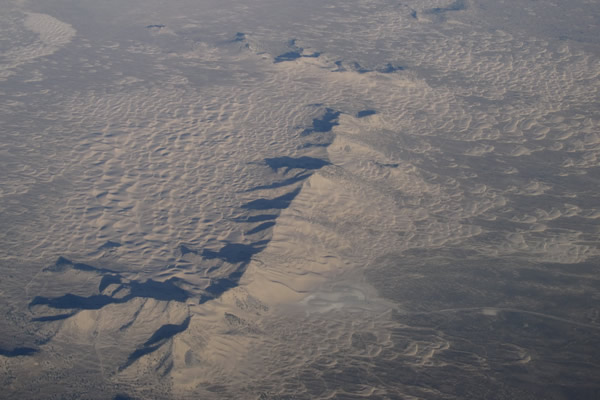
Image from Wikimedia Commons
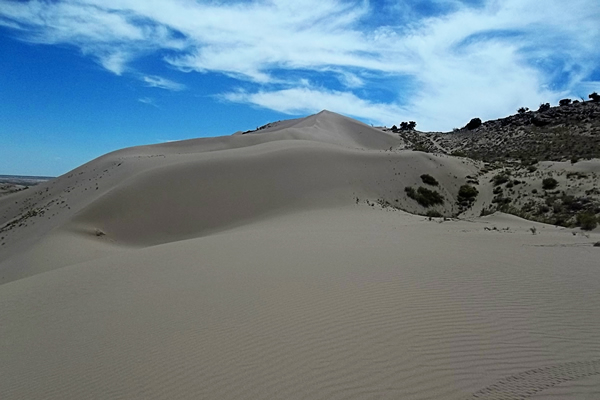
Image from Wikimedia Commons
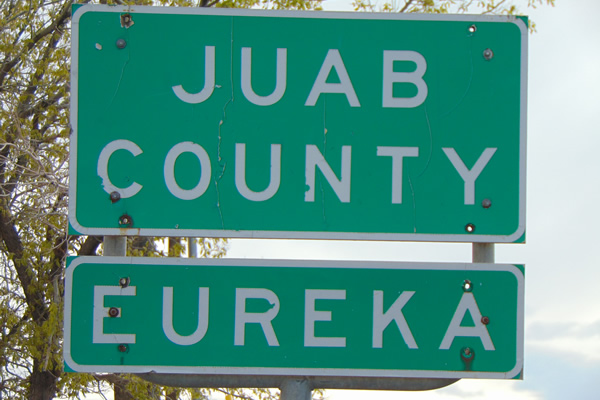
Image from Wikimedia Commons
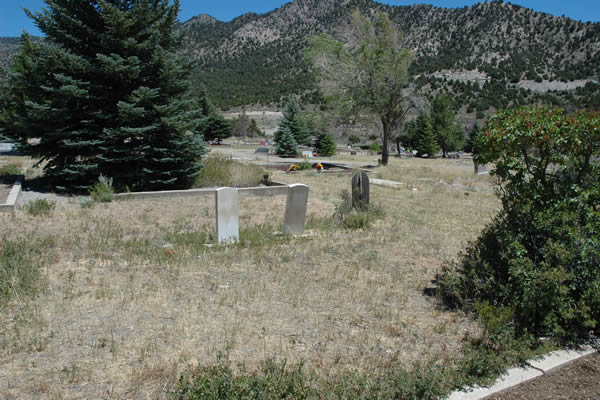
Image from Wikimedia Commons
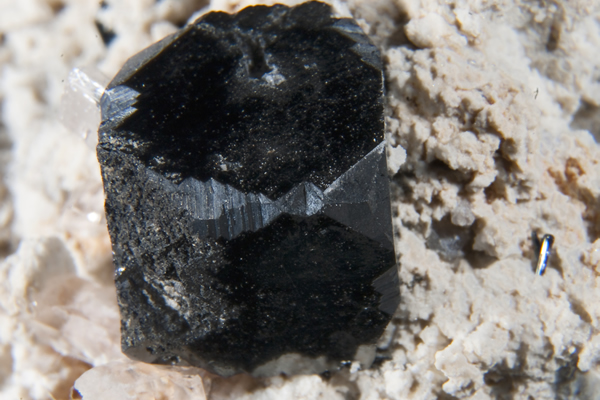
Image from Wikimedia Commons
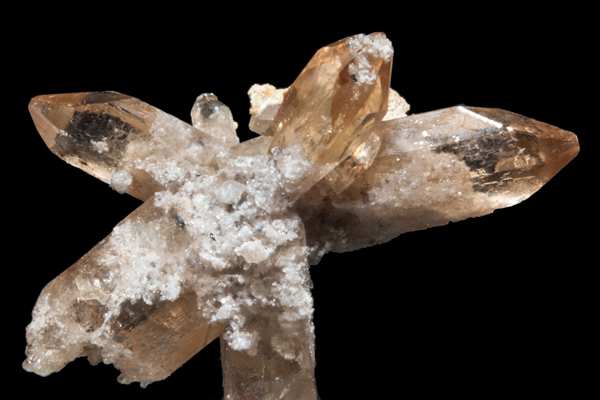
Image from Wikimedia Commons
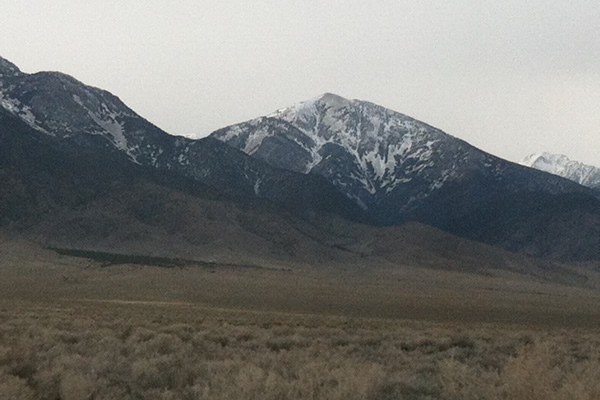
Image from Wikimedia Commons
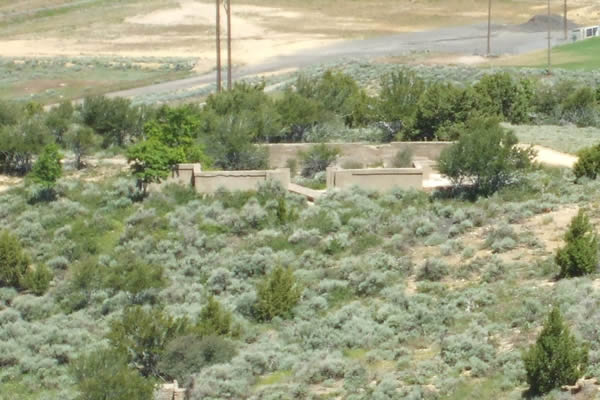
Image from Wikimedia Commons
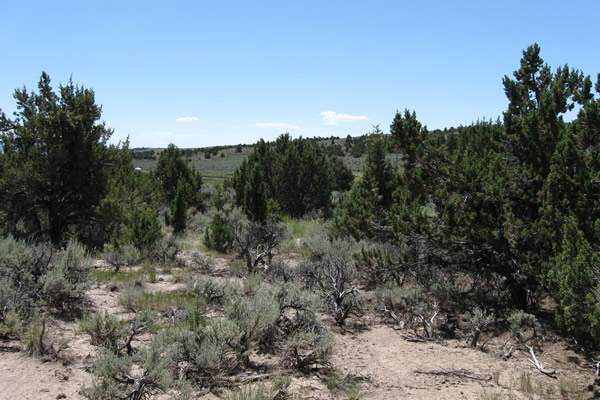
Image from Wikimedia Commons
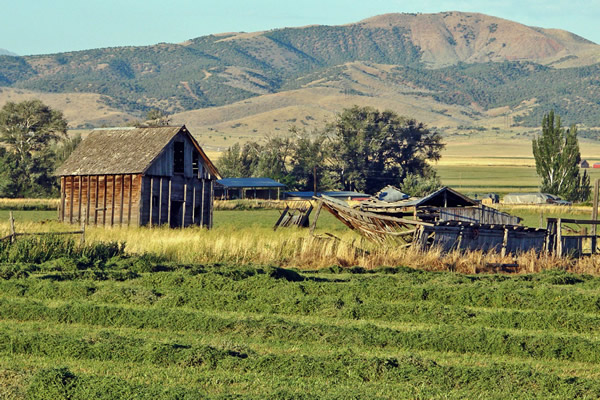
Image from Wikimedia Commons
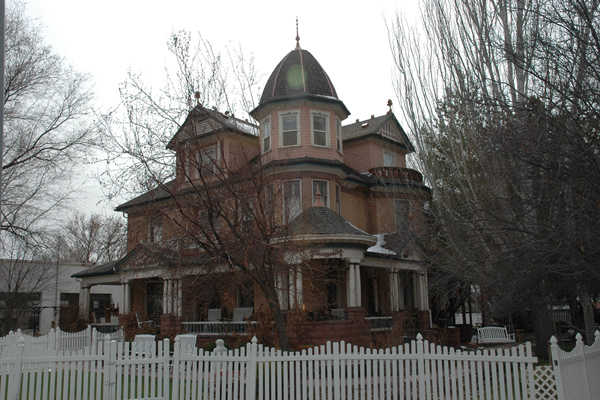
Image from Wikimedia Commons
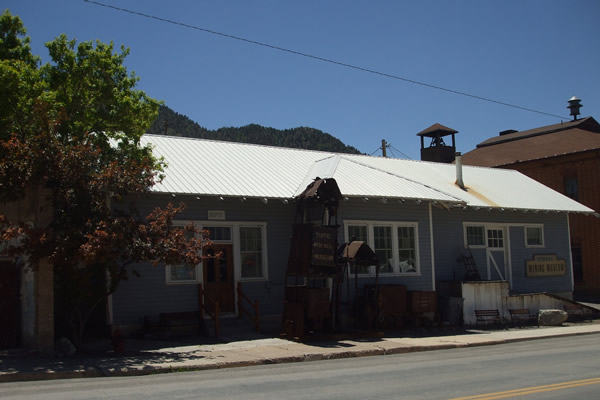
Image from Wikimedia Commons

Image from Wikimedia Commons
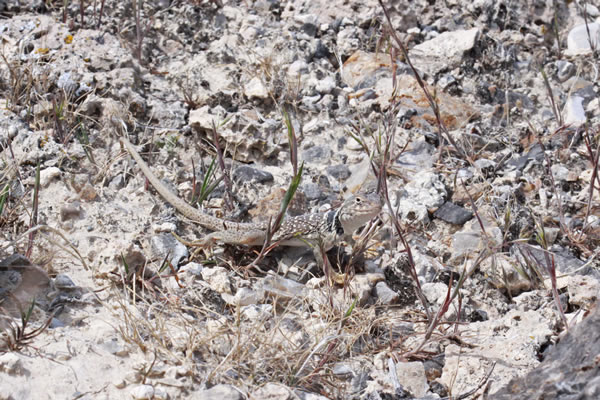
Image from Wikimedia Commons
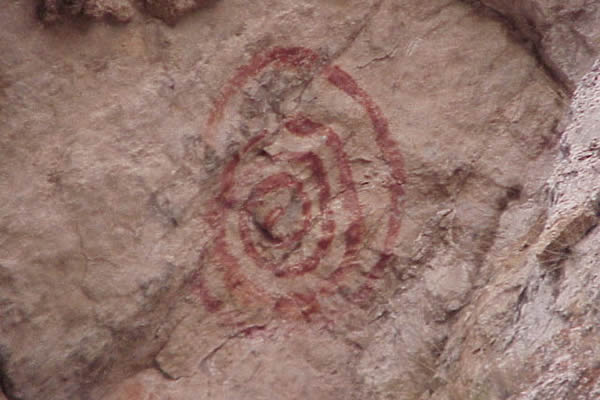
Image from Wikimedia Commons
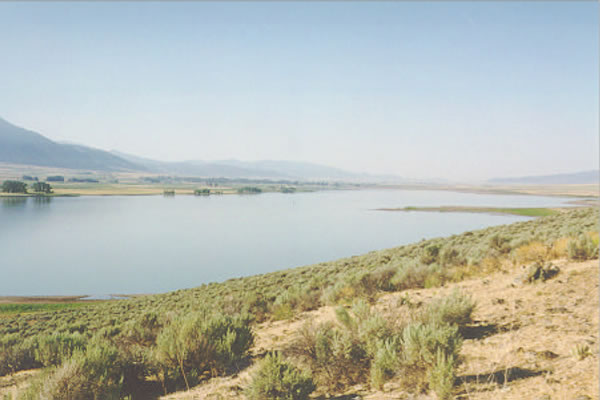
Image from Wikimedia Commons