

 UTAH EDUCATION NETWORK

 More K12 Education
 my.uen Login
 Forgot my.uen Login
 Find a School
 Canvas Logins
 Find an Institution
 Teacher Tips
 PD Newsletter
 PDTV
PDTV UEN Homeroom
 Adobe
Adobe Canvas
 eMedia
 Google
 Nearpod
 Utah's Online School Library
 Justin
 Dani
Dani Rob
Rob Val
Val Kayla
Kayla WebEx
WebEx Zoom
Zoom CMS Web App
 TMS
TMS YouTube
 Network Outages
 Network Traffic Map
 Speed Test
 Infrastructure Map
 Facebook
 Instagram
 LinkedIn
 News RSS
 Contact Us Form
 Dashboards
 Maps
Maps Widgets
Davis County

County Website: Davis County
Area: 634 square miles
Population: 373,207 (in 2023)
Founding Year: October 5, 1850
County Seat: Farmington
Origin of County Name: after Captain Daniel C. Davis of the Mormon Battalion
Cities/Towns:
Bountiful, Centerville, Clearfield, Clinton, Farmington,
Fruit Heights, Kaysville, Layton, North Salt Lake, South Weber, Sunset, Syracuse, West Bountiful, West Point, Woods Cross
Economy: defense industry, small manufacturing and distribution, service industries, agriculture (especially alfalfa, grain, onions, and fruit)
Points of Interest: Antelope Island, Bountiful-Davis Art Center, Farmington Bay Waterfowl Management Area, Farmington Canyon, Farmington Rock Chapel, Freeport Center, Hill Air Force Base, Howard Slough Waterfowl Management Area
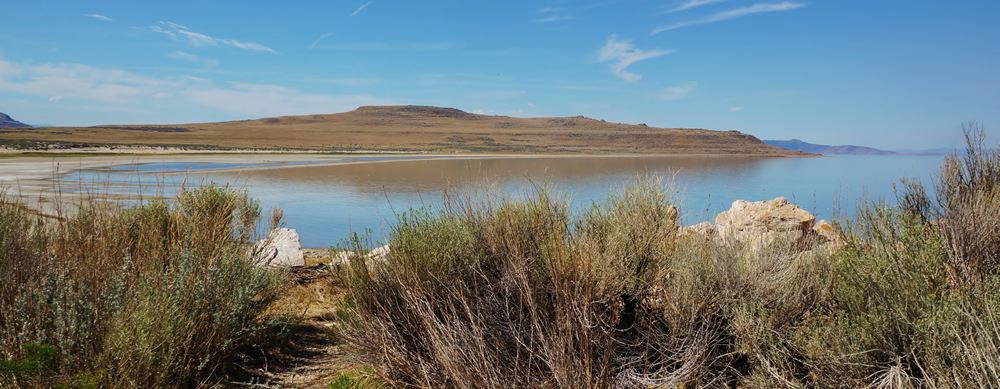
Geography: Bounded by Weber County (north), Salt Lake County (south), Wasatch Mountains (east), Great Salt Lake (west); smallest land area in Utah with 223 usable square miles
Historical Significance: Home to every distinct culture group in Utah's prehistory, from Paleo-Indian big game hunters 12,000 years ago to Numic-speaking hunter-gatherers, early visits by trappers like Jedediah S. Smith in 1826 and explorers such as Jim Bridger and John C. Fremont
Notable Residents: Charles R. Mabey (Utah's fifth governor), Henry H. Blood (Utah’s seventh governor), Calvin L. Rampton (Utah’s eleventh governor), LeConte Stewart (landscape artist), George Dibble (abstract artist)
Natural Resources: Streams from the Wasatch Mountains provide water for agriculture, fertile soil supports farming and livestock
Davis County, the smallest county in Utah by land area, covers just 630 square miles—most of which is water belonging to the Great Salt Lake. Only about 36% of the county is usable land for farming and housing. Antelope Island, located within the Great Salt Lake, is part of Davis County and is home to a herd of buffalo. Despite its limited land area, Davis County now has the third-largest population among Utah’s counties.
The area’s early history includes visits by Paleo-Indians and explorers like Jim Bridger, but permanent settlement began with Mormon pioneers who found the land well-suited for agriculture and livestock. In the early 1900s, the county flourished with successful farms and factories producing canned goods, sugar, and other products. The county plays a key role in national defense with Hill Air Force Base, its largest employer. The Farmington Bay Waterfowl Management Area is a vital wetland habitat in the state.
More information for Davis County can be found at the following sites:
- UOPL – Davis County Profile
- Davis County Tourism and Events
- Go-Utah – Antelope Island
- Go-Utah – Davis County
- Great Salt Lake
- Utah.com – Davis County
- Utah Counties Profile – Davis County
- Utah History Encyclopedia – Davis County
- Utah History for Kids – Davis County
- U.S. Census QuickFacts – Davis County
- Visit Utah – Davis County
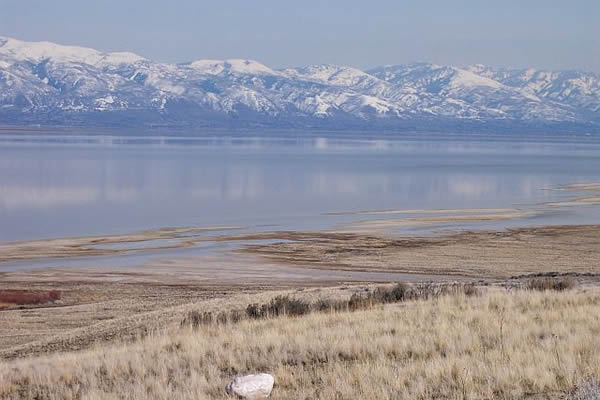
Image from Wikimedia Commons
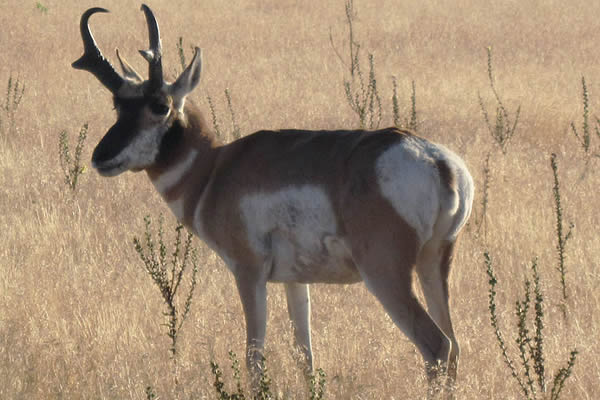
Image from Wikimedia Commons
Image from Wikimedia Commons
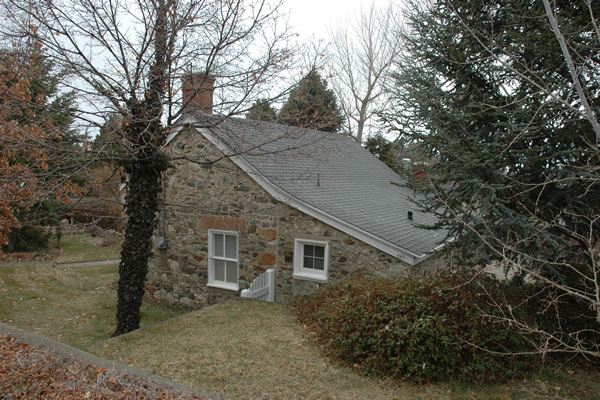
Image from Wikimedia Commons
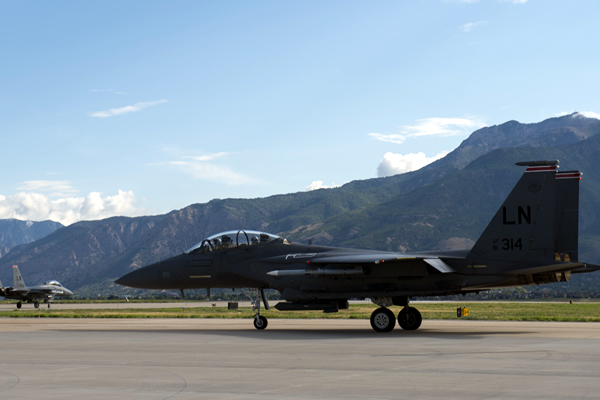
Image from Wikimedia Commons
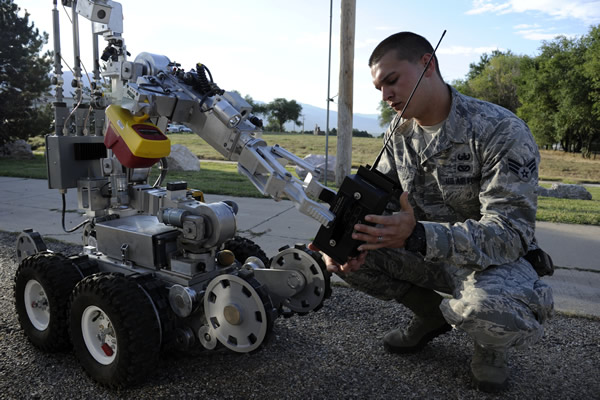
Image from Wikimedia Commons
.jpg)
Image from Wikimedia Commons
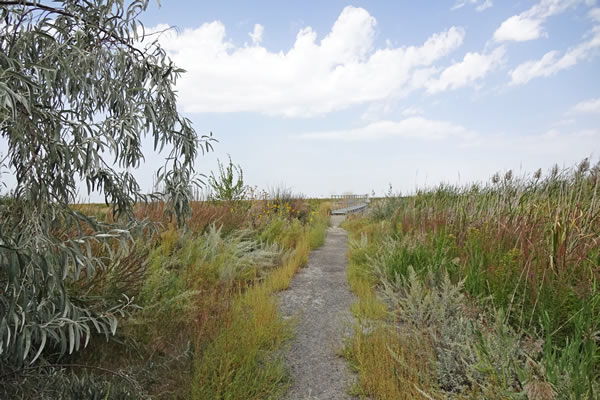
Image from Wikimedia Commons
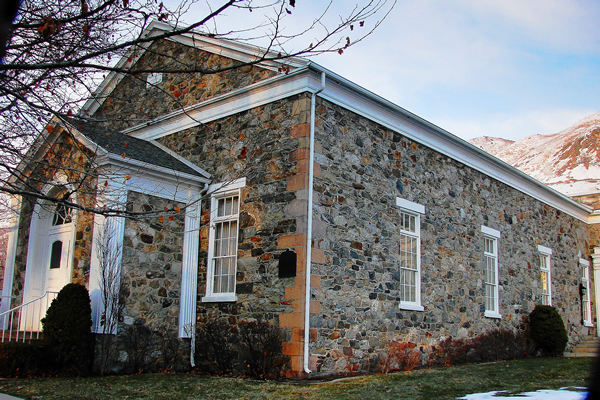
Image from Wikimedia Commons
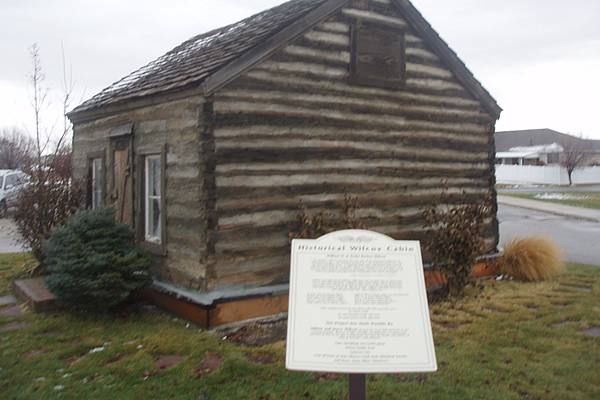
Image from Wikimedia Commons