

 UTAH EDUCATION NETWORK

 More K12 Education
 my.uen Login
 Forgot my.uen Login
 Find a School
 Canvas Logins
 Find an Institution
 Teacher Tips
 PD Newsletter
 PDTV
PDTV UEN Homeroom
 Adobe
Adobe Canvas
 eMedia
 Google
 Nearpod
 Utah's Online School Library
 Justin
 Dani
Dani Rob
Rob Val
Val Kayla
Kayla WebEx
WebEx Zoom
Zoom CMS Web App
 TMS
TMS YouTube
 Network Outages
 Network Traffic Map
 Speed Test
 Infrastructure Map
 Facebook
 Instagram
 LinkedIn
 News RSS
 Contact Us Form
 Dashboards
 Maps
Maps Widgets
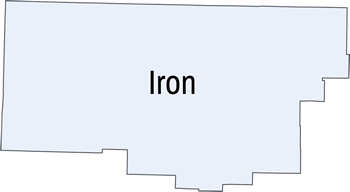
Iron County
County Website: Iron County
Area: 3,301 square miles
Population: 64,211 (2023)
Founding Year: 1851
County Seat: Parowan
Origin of County Name: from iron deposits in the area
Cities/Towns: Brian Head,
Cedar City,
Enoch,
Kanarraville, Paragonah, Parowan
Economy: government (including education), wholesale and retail trade, services, light manufacturing, and construction
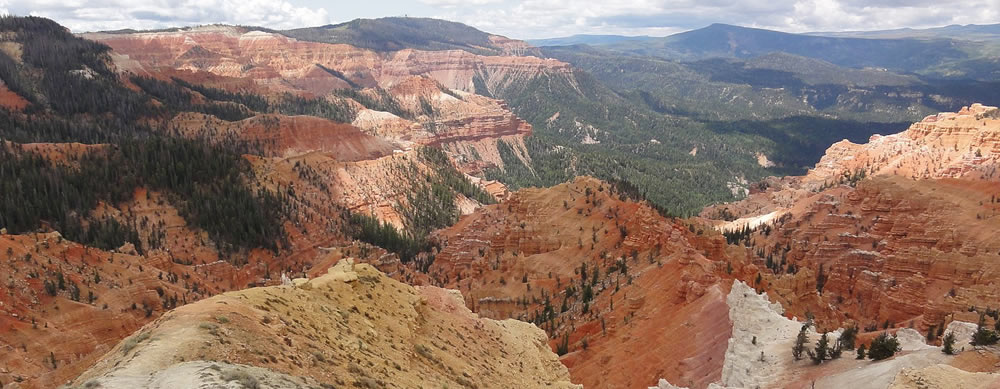
Points of Interest: Cedar Breaks National Monument,
Frontier Homestead State Park,
Old Iron Town,
Utah Shakespeare Festival,
Brian Head Resort,
Old Rock Church,
Jesse N. Smith House
Geography: 3,301 square miles, high desert valleys, mountain ranges, red rock formations, Colorado Plateau, Great Basin, Cedar Breaks National Monument, Cedar City elevation 5,800 feet, Brian Head elevation 9,800 feet
Historical Significance: 1850s iron mining, Parowan first settlement, Old Iron Town, Cedar City supplied Hoover Dam, Old Rock Church, Jesse N. Smith House
Notable Residents: John M. Browning (firearms designer), Tony Finau (golfer), Fred Adams (Utah Shakespeare Festival founder), Levi Savage Jr. (Willie Handcart Company rescuer), Terry Tempest Williams (author, conservationist)
Natural Resources: Iron ore, coal, gypsum, timber (Dixie National Forest), Virgin River, Coal Creek, Ash Creek, agriculture (alfalfa, cattle, fruit orchards)
Iron County was named for the rich deposits of iron ore found in the region. The earliest pioneer settlement was established in Parowan in 1851. However, archaeological evidence—such as pithouses—shows that the area was inhabited much earlier by prehistoric Anasazi and Sevier peoples, dating back to around 750 A.D. The Dominguez-Escalante expedition also passed through the area in 1776 while searching for a route to California.
Today, Iron County is known nationwide for the Utah Shakespeare Festival, which has earned several national theater awards, including a Tony Award in 2000. Nature enthusiasts can explore the stunning landscapes of Cedar Breaks National Monument, while history lovers can delve into the region’s past at the Frontier Homestead State Park Museum. The area is also home to Southern Utah University, which began as a small teacher’s college and has grown into a prominent regional university with over 5,000 students.
More information for Iron County can be found at the following sites:
- UOPL – Iron County Profile
- Cedar City and Brian Head Tourism and Convention Bureau
- Cedar Breaks National Monument
- Ghost Towns – Iron County
- Go-Utah.com – Brian Head Resort
- Go-Utah.com – Cedar Breaks National Monument
- Go-Utah.com – Cedar City
- Utah Counties Profile – Iron County
- Utah History for Kids – Iron County
- Utah History Encyclopedia – Cedar Breaks National Monument
- Utah History Encyclopedia – Cedar City
- Utah History Encyclopedia – Iron County
- U.S. Census QuickFacts – Iron County
- Visit Utah – Cedar City
- Visit Utah – Cedar Breaks National Monument
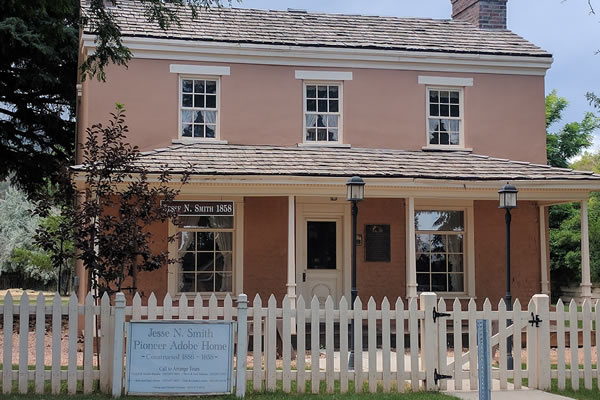
Image from Wikimedia Commons
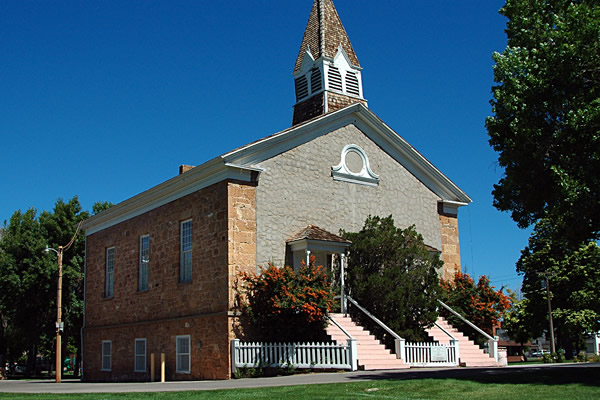
Image from Wikimedia Commons
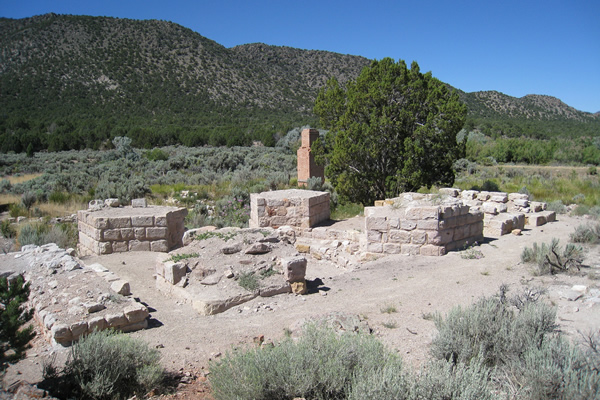
Image from Wikimedia Commons
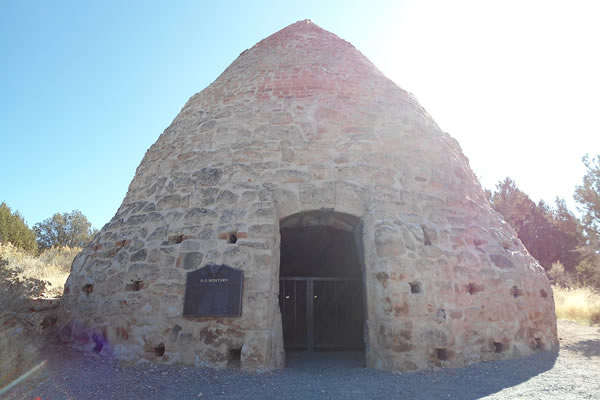
Image from Wikimedia Commons
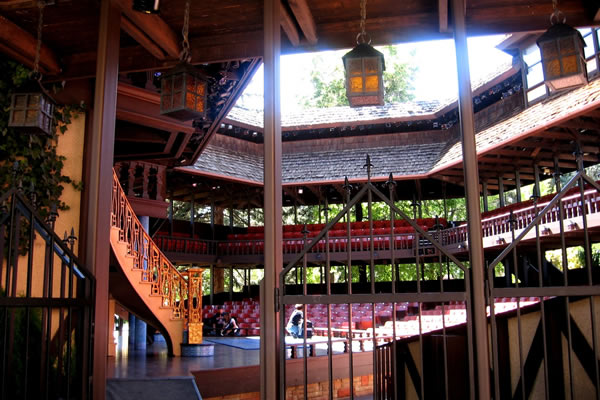
Image from Wikimedia Commons
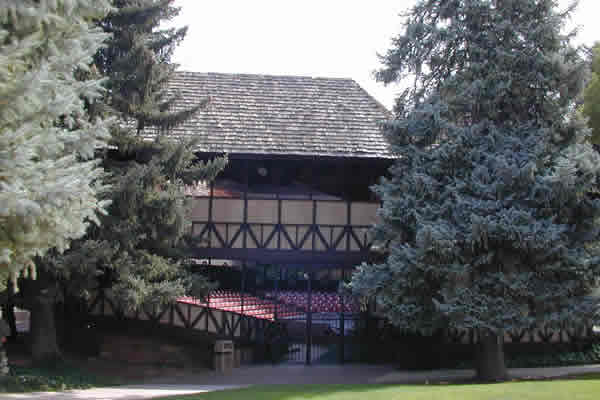
Image from Wikimedia Commons
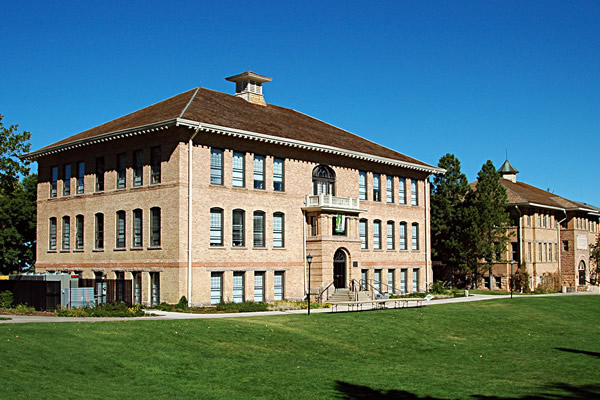
Image from Wikimedia Commons
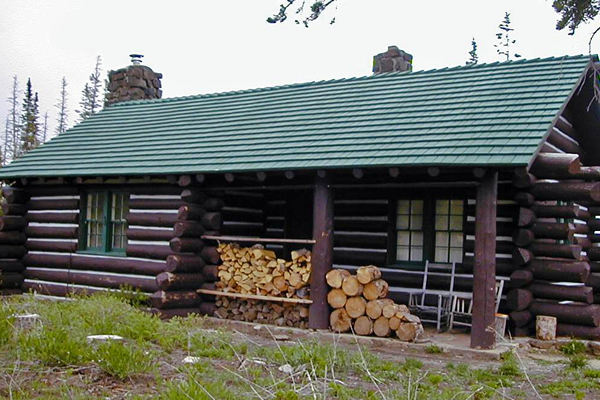
Image from Wikimedia Commons

Image from Wikimedia Commons
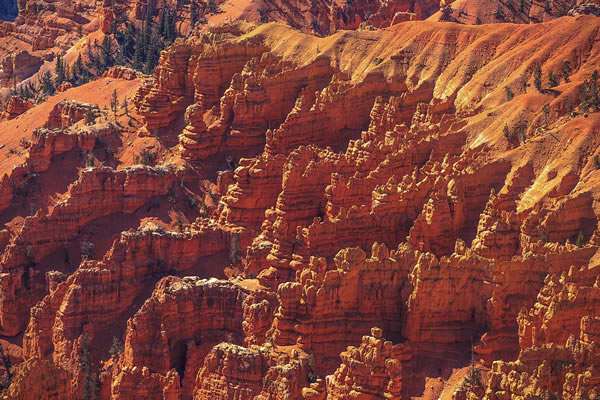
Image from Wikimedia Commons
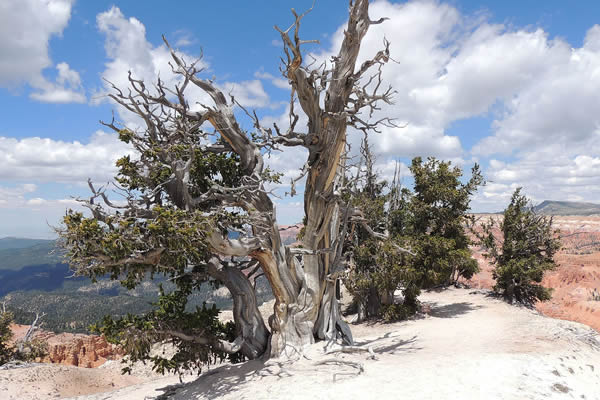
Image from Wikimedia Commons
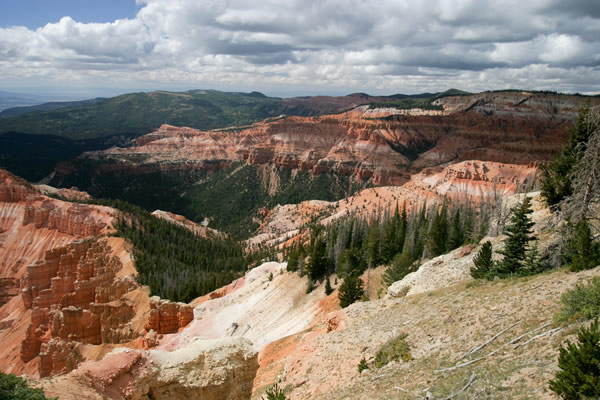
Image from Wikimedia Commons
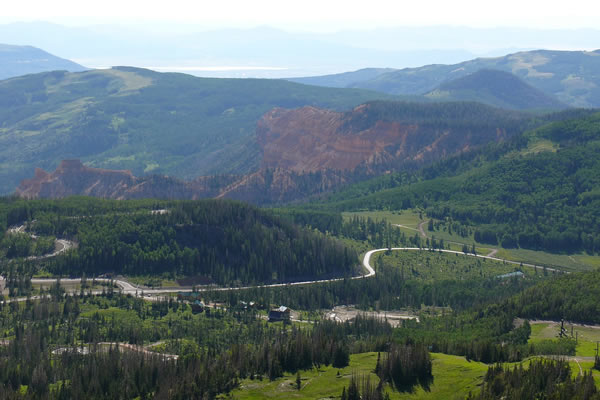
Image from Wikimedia Commons
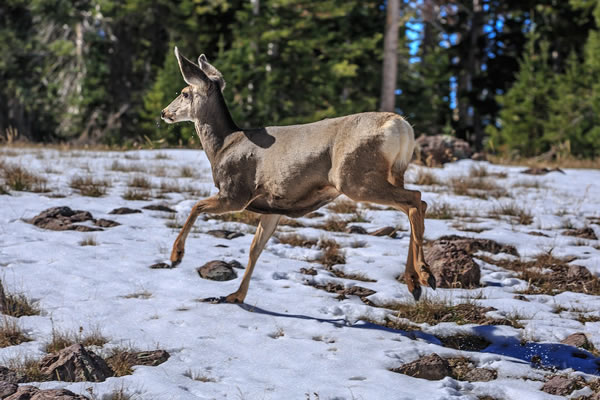
Image from Wikimedia Commons
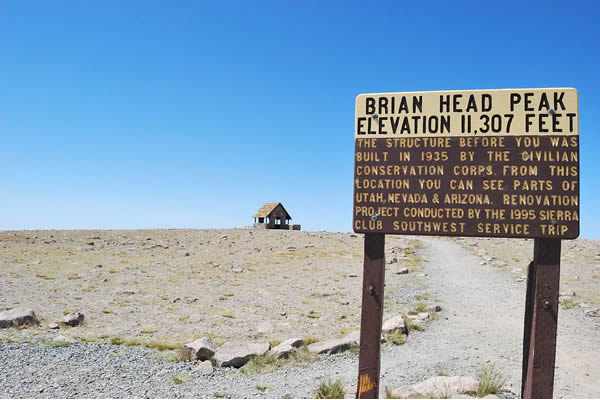
Image from Wikimedia Commons
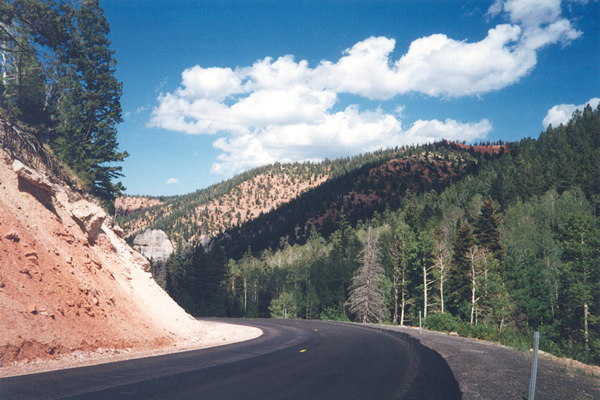
Image from Wikimedia Commons
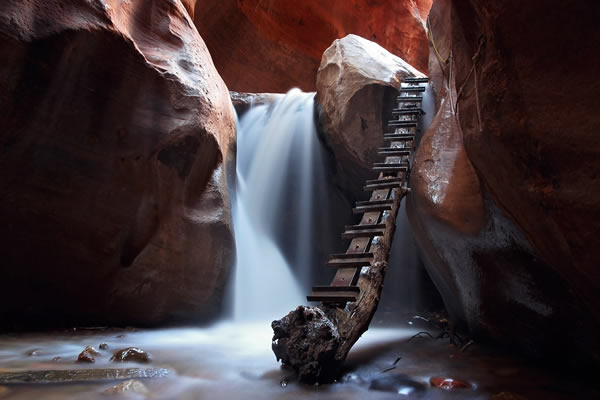
Image from Wikimedia Commons
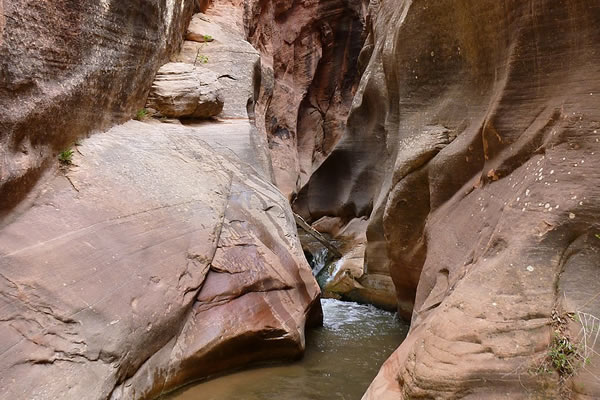
Image from Wikimedia Commons