

 UTAH EDUCATION NETWORK

 More K12 Education
 my.uen Login
 Forgot my.uen Login
 Find a School
 Canvas Logins
 Find an Institution
 Teacher Tips
 PD Newsletter
 PDTV
PDTV UEN Homeroom
 Adobe
Adobe Canvas
 eMedia
 Google
 Nearpod
 Utah's Online School Library
 Justin
 Dani
Dani Rob
Rob Val
Val Kayla
Kayla WebEx
WebEx Zoom
Zoom CMS Web App
 TMS
TMS YouTube
 Network Outages
 Network Traffic Map
 Speed Test
 Infrastructure Map
 Facebook
 Instagram
 LinkedIn
 News RSS
 Contact Us Form
 Dashboards
 Maps
Maps Widgets
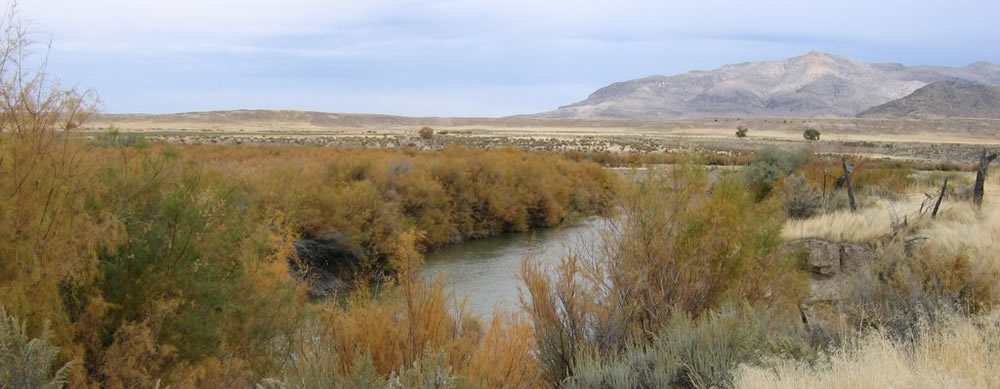
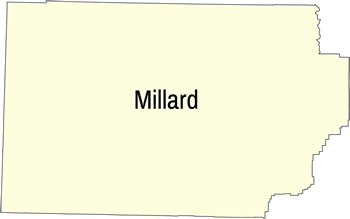
Millard County
County Website: Millard County
Area: 6,818 square miles
Population: 13,437 (2023)
Founding Year: 1851
County Seat: Fillmore
Origin of County Name: after President Millard Fillmore
Cities/Towns: Delta,
Fillmore,
Hinckley,
Holden,
Kanosh,
Leamington,
Lynndyl,
Meadow,
Oak City,
Scipio
Economy: alfalfa seed, cattle, electric power generation
Points of Interest: Territorial Statehouse State Park Museum,
Cove Fort,
Old Fort Deseret,
Topaz Relocation Camp,
Gunnison massacre site,
Clear Lake Waterfowl Management Area
Geography: Western Utah, bordered by Juab County (north), Beaver County (south), Sevier County (east) and Nevada (west
Historical Significance: Named after U.S. President Millard Fillmore, Fillmore was the original capital of Utah Territory; area inhabited by Fremont cultures, Goshute, Paiute and Ute peoples
Notable Residents: Carlos E. Asay (religious leader), Anson Call (pioneer and colonizer), Alonzo A. Hinckley (religious leader), Milton R. Hunter (historian and author), Louise Y. Robison (Relief Society General President)
Natural Resources: Agriculture, livestock, mining
Millard County, named after U.S. President Millard Fillmore, shares its name with the county seat, Fillmore. This county holds a unique place in Utah’s history as the originally intended capital of the state. Visitors can still explore one completed wing of the building that was meant to serve as the state capitol. Known as the Territorial Statehouse, it is the oldest government building in Utah. The territorial legislature met there only twice, in 1855 and 1856, before deciding to move the capital back to Salt Lake City due to a lack of adequate lodging in Fillmore during the 1856 session.
During World War II, Millard County became home to the Topaz Internment Camp near Delta, which housed more than 8,000 Japanese American residents. Today, travelers driving through the county can see numerous cone-shaped volcanoes. Though no longer active, these formations offer a unique opportunity to get up close, climb them, and view the hardened lava flows they once produced. Another notable site is Cove Fort, constructed from lava rock and restored to reflect what a frontier fort would have looked like in early Utah settlement days.
More information for Millard County can be found at the following sites:
- UOPL – Millard County Profile
- Delta Chamber of Commerce
- Ghost Towns – Millard County
- Utah's First Capitol
- Utah Counties Profile – Millard County
- Utah History For Kids – Millard County
- Utah History Encyclopedia – City of Fillmore
- Utah History Encyclopedia – Millard County
- U.S. Census Quickfacts – Millard County
- Visit Utah – Delta
- Visit Utah – Filmore
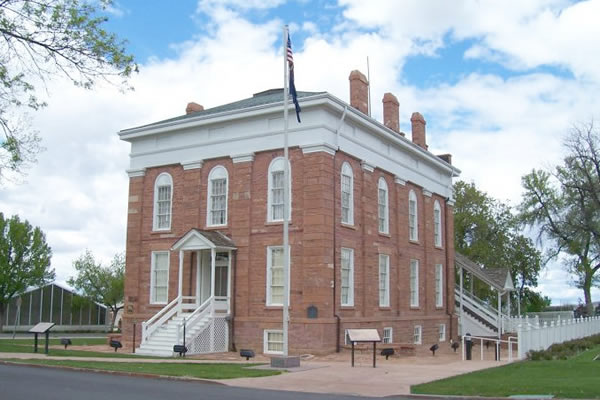
Image from Wikimedia Commons
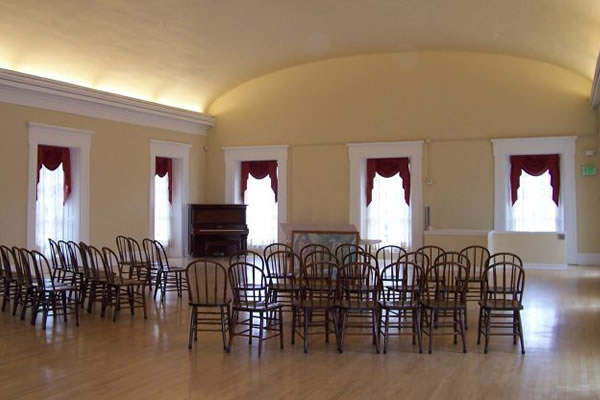
Image from Wikimedia Commons
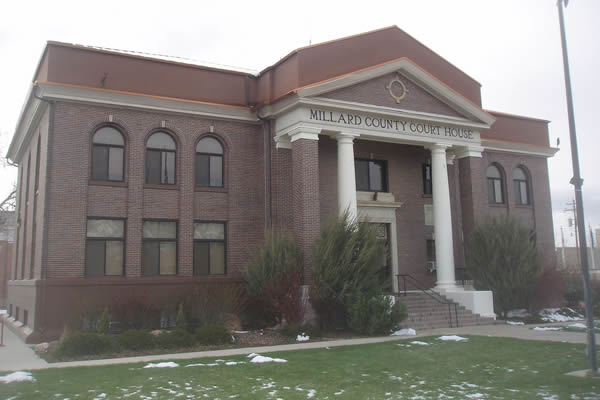
Image from Wikimedia Commons
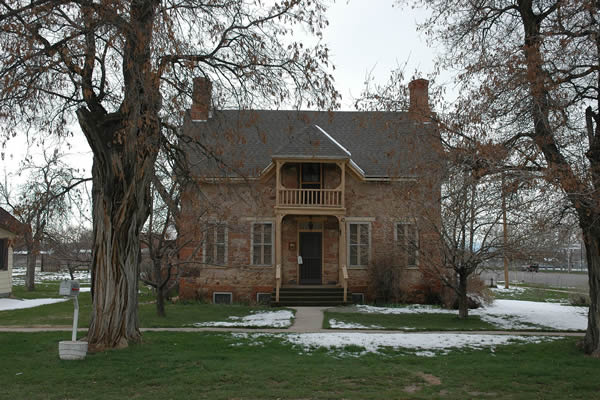
Image from Wikimedia Commons
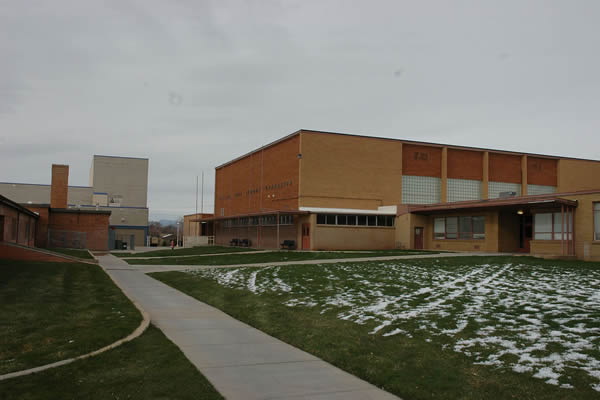
Image from Wikimedia Commons

Image from Wikimedia Commons
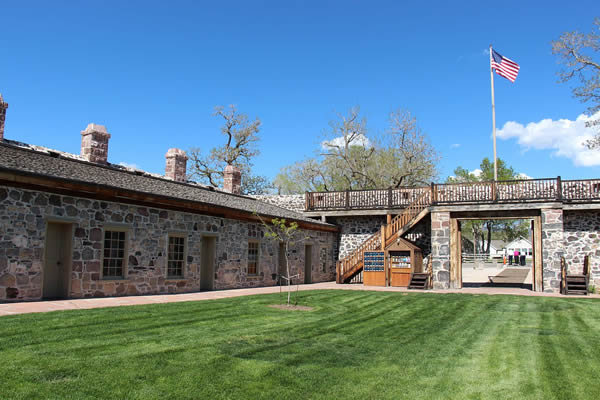
Image from Wikimedia Commons
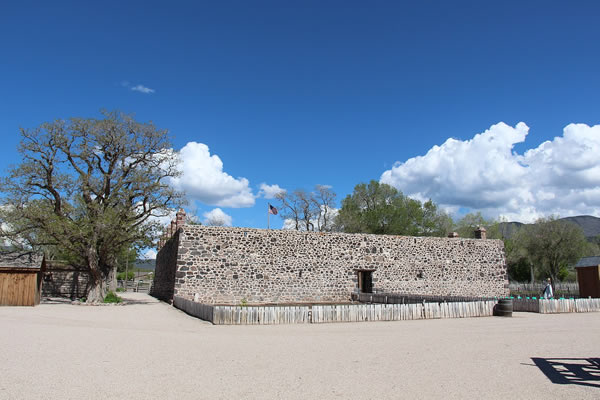
Image from Wikimedia Commons

Image from Wikimedia Commons
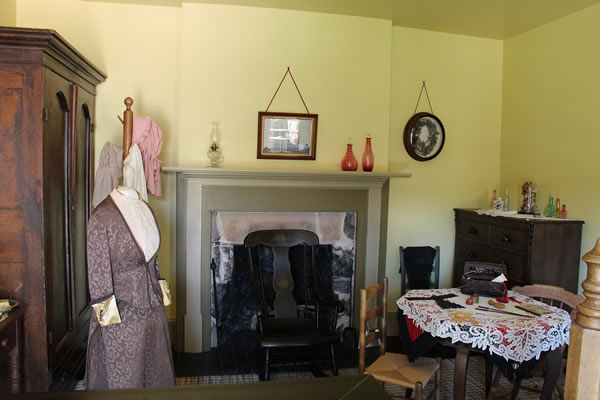
Image from Wikimedia Commons
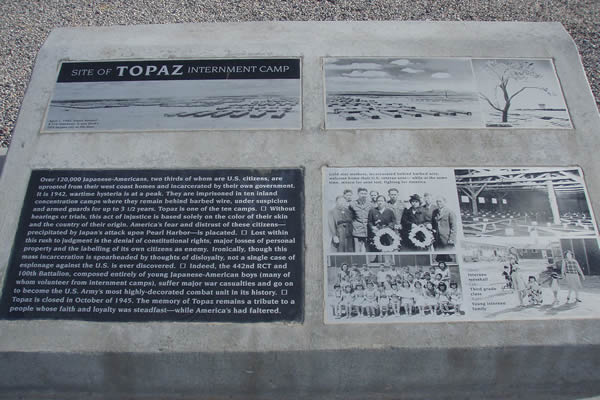
Image from Wikimedia Commons
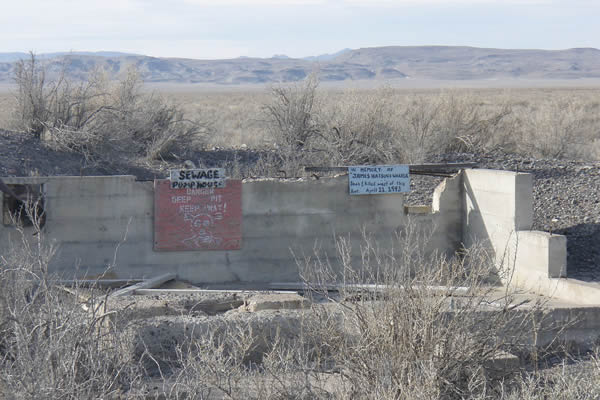
Image from Wikimedia Commons
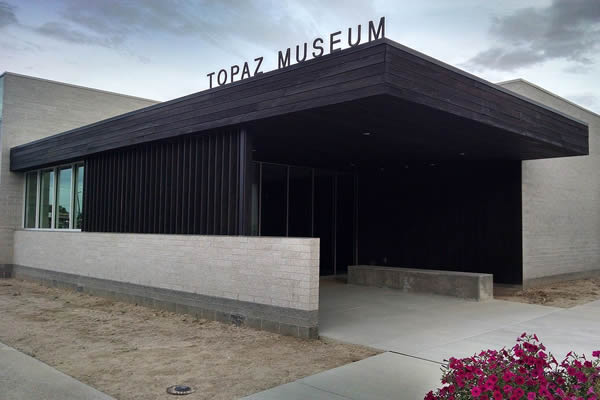
Image from Wikimedia Commons

Image from Wikimedia Commons
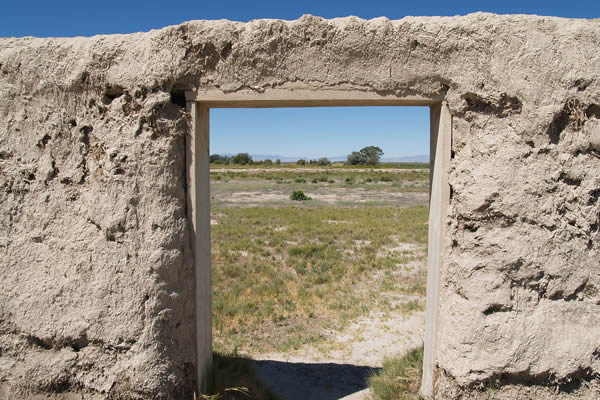
Image from Wikimedia Commons
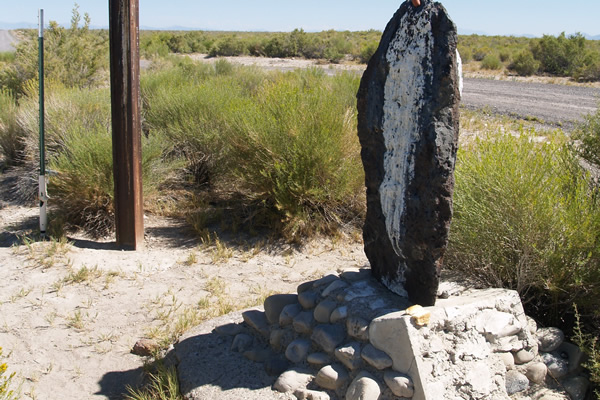
Image from Wikimedia Commons
Image from Wikimedia Commons
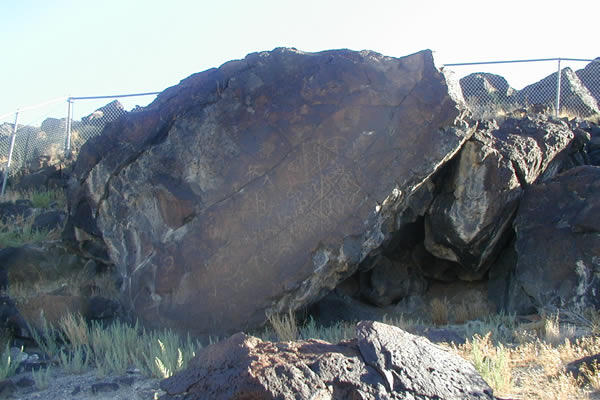
Image from Wikimedia Commons