

 UTAH EDUCATION NETWORK

 More K12 Education
 my.uen Login
 Forgot my.uen Login
 Find a School
 Canvas Logins
 Find an Institution
 Teacher Tips
 PD Newsletter
 PDTV
PDTV UEN Homeroom
 Adobe
Adobe Canvas
 eMedia
 Google
 Nearpod
 Utah's Online School Library
 Justin
 Dani
Dani Rob
Rob Val
Val Kayla
Kayla WebEx
WebEx Zoom
Zoom CMS Web App
 TMS
TMS YouTube
 Network Outages
 Network Traffic Map
 Speed Test
 Infrastructure Map
 Facebook
 Instagram
 LinkedIn
 News RSS
 Contact Us Form
 Dashboards
 Maps
Maps Widgets
Duchesne County
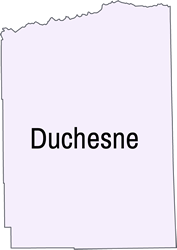
County Website: Duchesne County
Area: 3,256 square miles
Population: 20,477 (2023)
Founding Year: 1915
County Seat: Duchesne City
Origin of County Name: after the Duchesne River which was possibly named for a French Canadian trapper
Cities/Towns: Altamont, Duchesne, Myton, Roosevelt, Tabiona
Economy: livestock, alfalfa and hay, oil, natural gas
Points of Interest: Big Sand Wash Reservoir, High Uinta Wilderness Area, Moon Lake, Starvation Reservoir
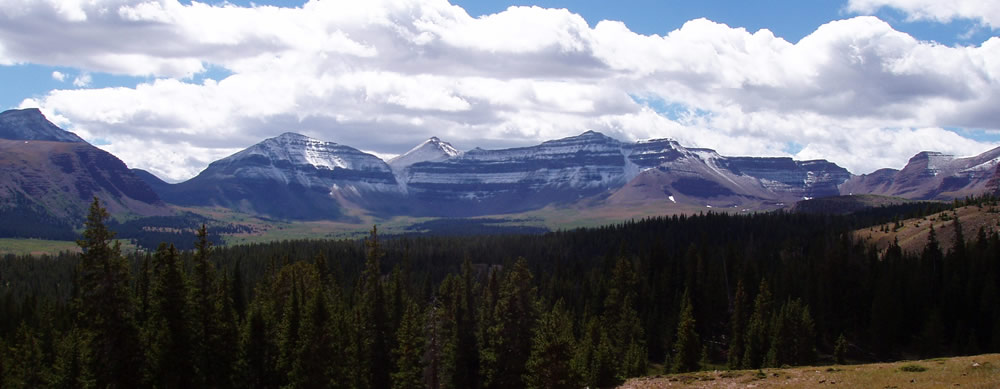
Geography: Northern third Uinta Mountains, major river sources. Southern part desert-like Uinta Basin, flat and rolling terrain
Historical Significance: Originally Uintah and Ouray Indian Reservation. Opened to homesteaders under Dawes Act early 1900s
Notable Residents: Limited records, early settlers and homesteaders post-1905
Natural Resources: Water from Uinta Mountains supports agriculture, oil and gas exploration
In 1914, the Utah State Legislature created Duchesne County from a portion of Wasatch County. The county became official with the start of the new year in 1915. Located within the Uinta Mountains, Duchesne County is home to Kings Peak, the highest mountain in the state, rising to 13,528 feet. Major streams flowing through the county include the Strawberry, Duchesne, Lake Fork and Yellowstone rivers.
The settlement of Duchesne County holds a unique place in Utah history. Unlike much of the state, it was not settled under the direction of Brigham Young. Instead, individuals acquired 160-acre plots through the federal Homestead Act. To secure ownership, homesteaders were required to live on the land for five years, make improvements and pay $1.25 per acre before receiving title to their homesteads.
More information for Duchesne County can be found at the following sites:
- UOPL – Duchesne County Profile
- Duchesne County Chamber of Commerce
- Ghost Towns – Duchesne County
- Utah.com – Uinta Mountains
- Utah Counties Profile – Duchesne County
- Utah History Encyclopedia – Duchesne County
- Utah History for Kids – Duchesne County
- U.S. Census Quickfacts – Duchesne County
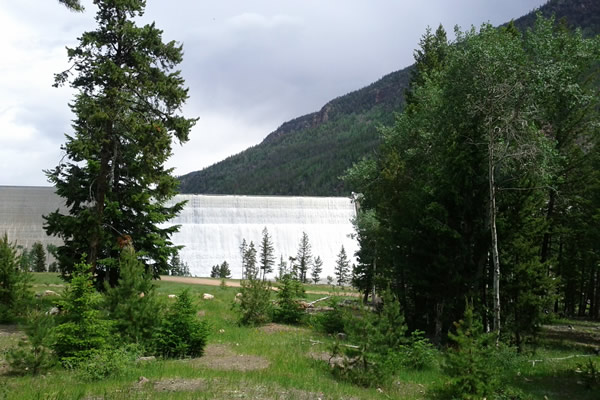
Image from Wikimedia Commons

Image from Wikimedia Commons
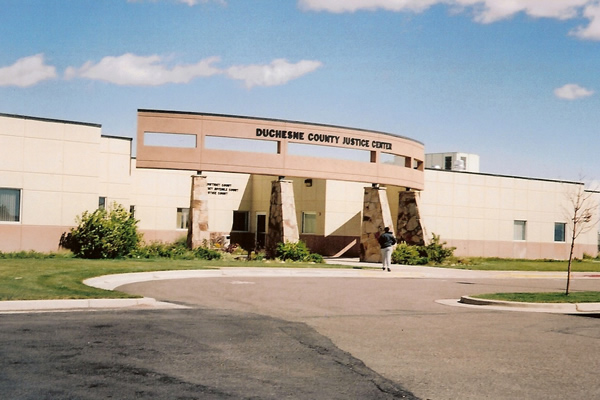
Image from Wikimedia Commons
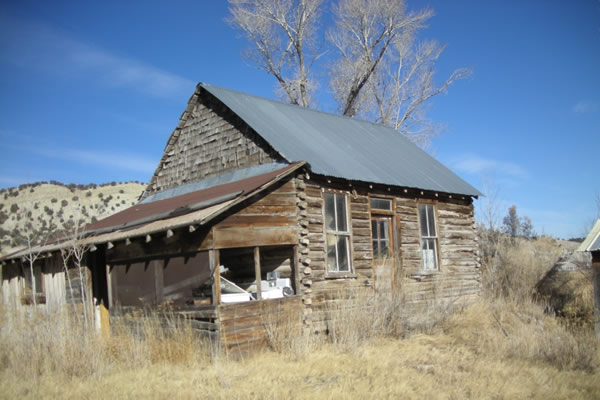
Image from Wikimedia Commons
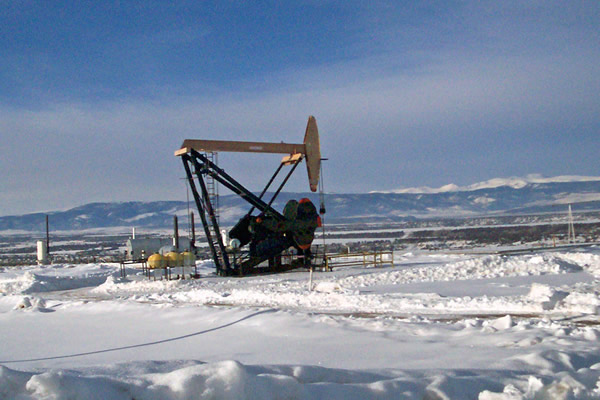
Image from Wikimedia Commons
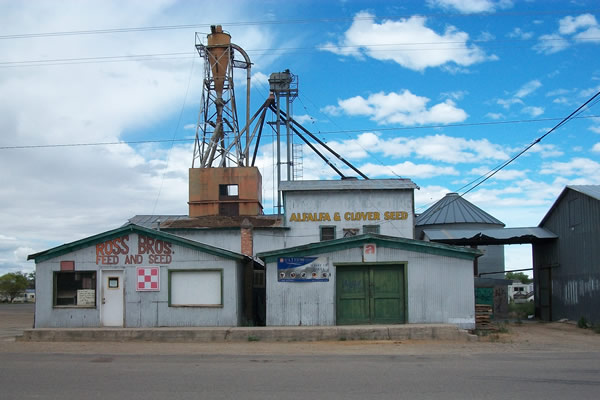
Image from Wikimedia Commons
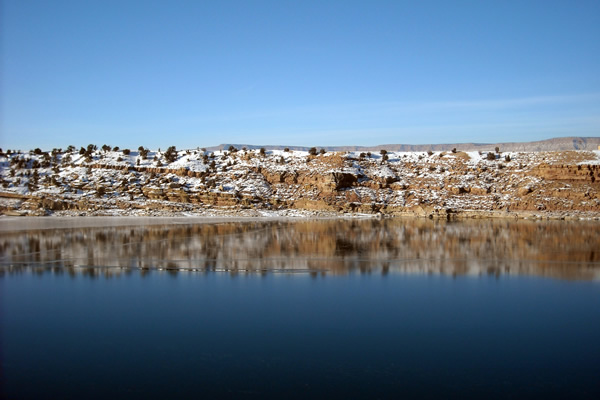
Image from Wikimedia Commons

Image from Wikimedia Commons

Image from Wikimedia Commons
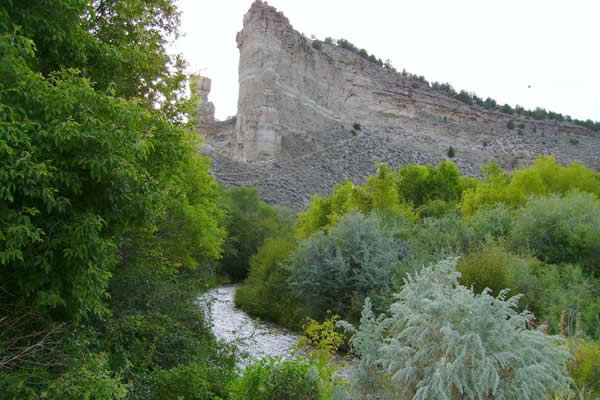
Image from Wikimedia Commons
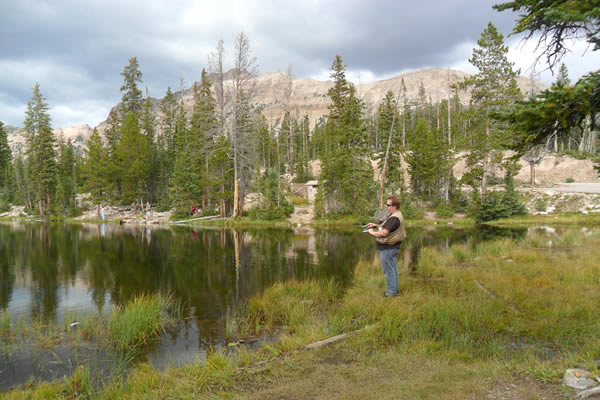
Image from Wikimedia Commons
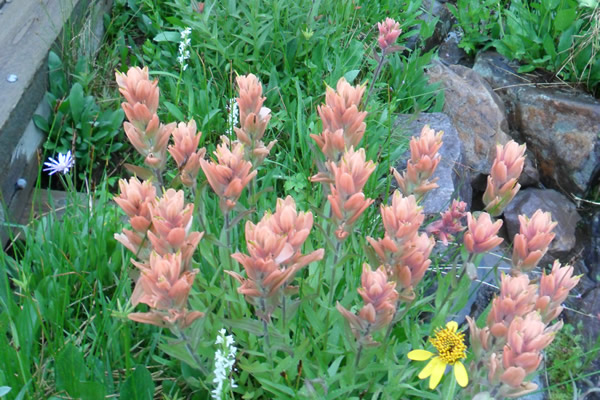
Image from Wikimedia Commons